Quick Summary:
The best roof for your home depends on climate, budget, and style. Common options include asphalt shingles, metal roofing, clay or concrete tiles, wood shakes, slate, rubber, and synthetic materials. Popular designs like gable, hip, and flat roofs each offer unique strengths for weather protection and curb appeal. Always consider durability, energy efficiency, and local building rules before choosing.
There’s a reason that a “roof over your head” is synonymous with having a place to live. The roof of your house is perhaps the single most-important line of defense against the weather, keeping the elements out and your preferred temperatures in. But more than that, the roof plays a major role in the appearance and overall-value of your home. As such, selecting the right type of roof can be a big decision.
If you’re in the process of building a new home, are interested in adding a new section to your current property, or find yourself needing to replace the roof you have, it’s worth taking some time to understand your options. The roof you choose isn’t just about style. It needs to stand up to the conditions where you live, especially here in the West where sun, wind, rain, and snow can all do a number on your home. Knowing what roof types are available will help you protect your home and keep it looking its best for years (or decades) to come.
Picking the right material for your roof makes a huge difference in how it performs and how long it lasts. In a place like Utah, where homes deal with everything from heavy snow to blazing summer sun, choosing the right material matters even more. Each roofing material comes with its own strengths, challenges, and price range. Some of the most common options include:
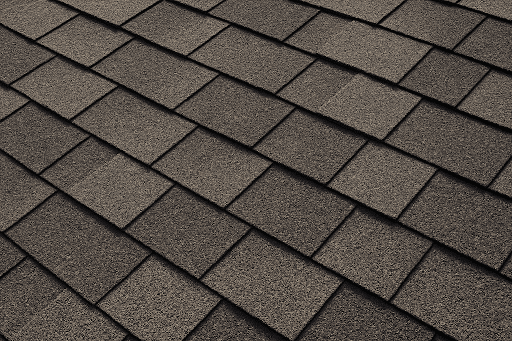
Asphalt shingles are widely used across the country—and for good reason. They’re affordable and available in lots of colors and styles. Modern asphalt shingles often include fiberglass mats for extra strength, and there are options designed to handle even the harshest weather conditions.
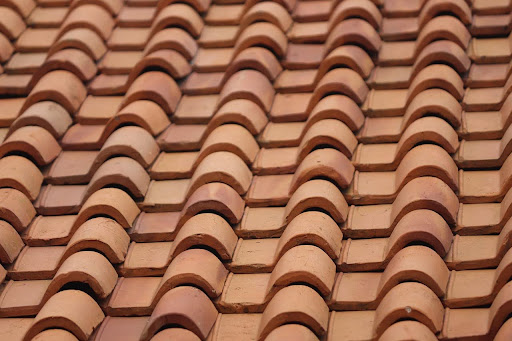
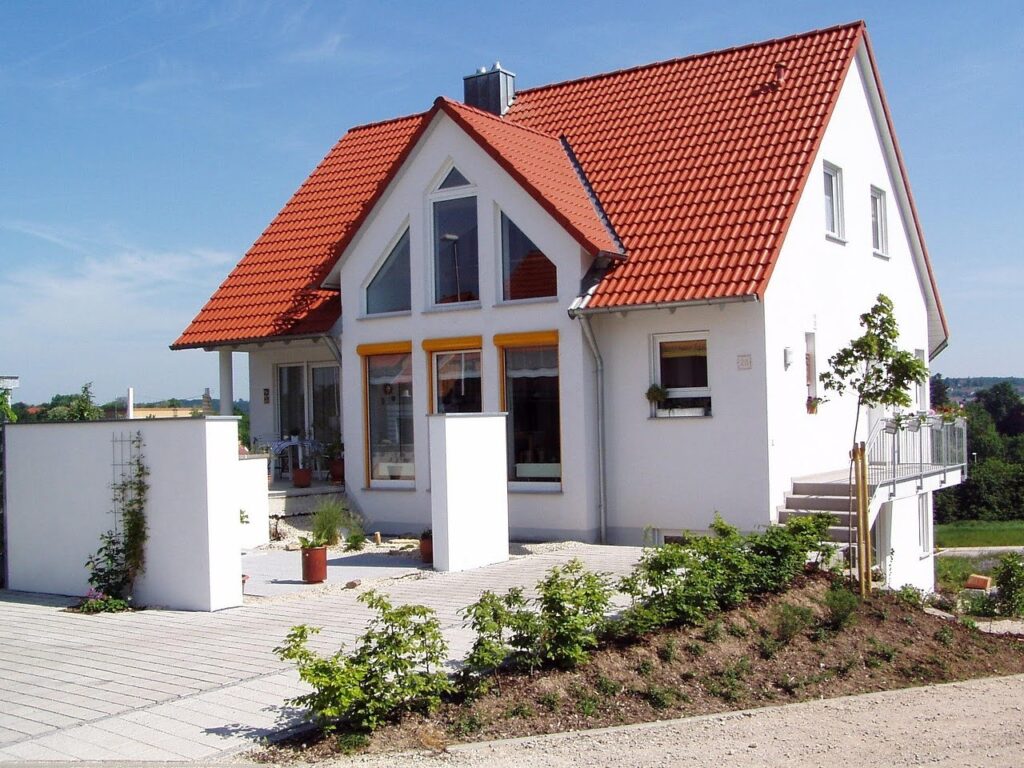
Clay tiles are known for their distinctive look, commonly seen on Spanish-style or Mediterranean homes. They’re extremely durable and perform well in hot, dry climates. However, because they’re heavy and can crack in freezing temperatures, clay tiles are typically only recommended in regions like Arizona, New Mexico, Nevada, California, and parts of southern Utah such as St. George. They’re not well-suited for colder markets like Salt Lake City or other areas with frequent freeze-thaw cycles.

Built to last and stand up to the elements, concrete tiles are a more practical alternative to clay. They’re highly durable against wind, hail, and fire but still bring the same weight concerns. As with clay, they can be a risky choice in climates with heavy freeze-thaw cycles.
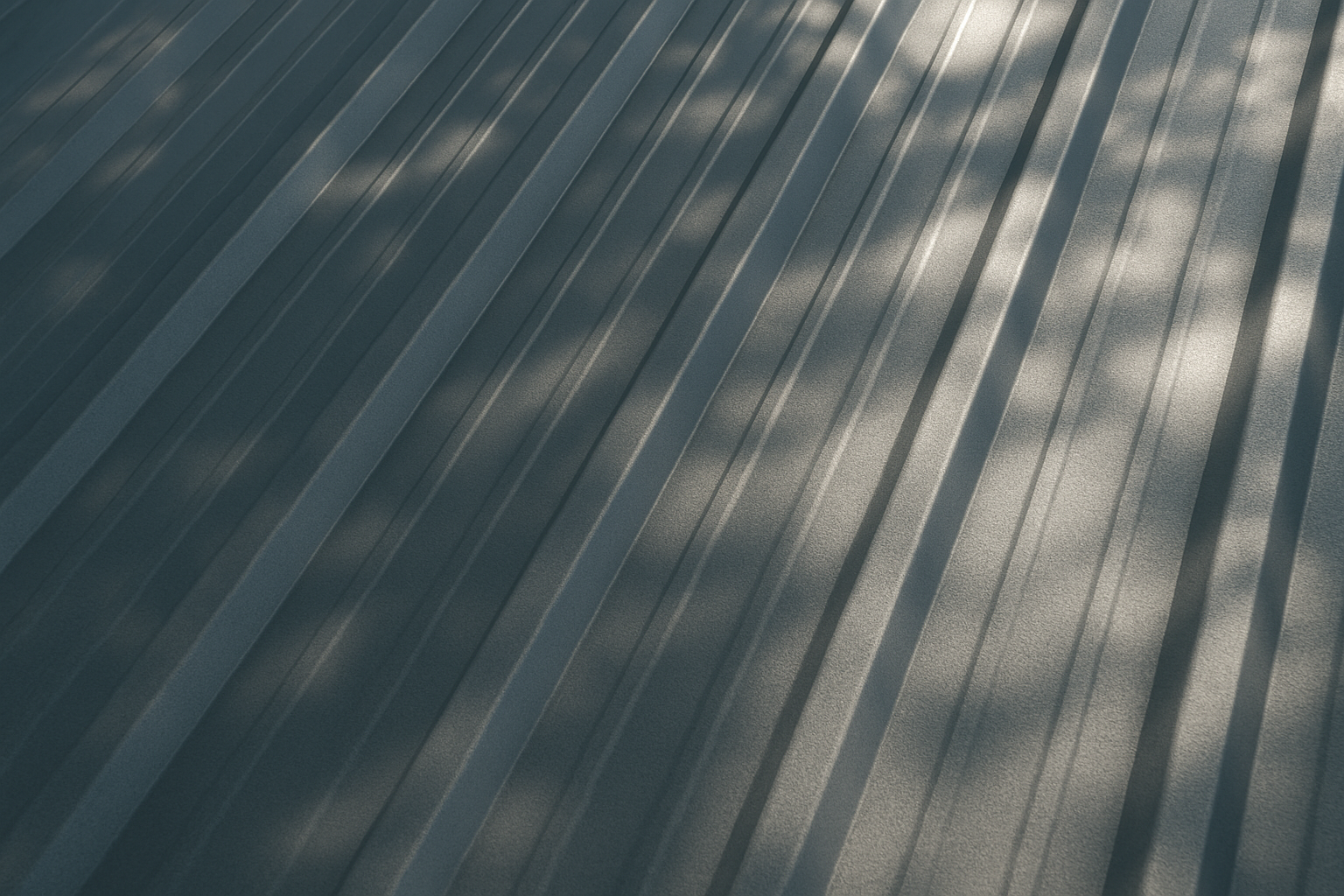
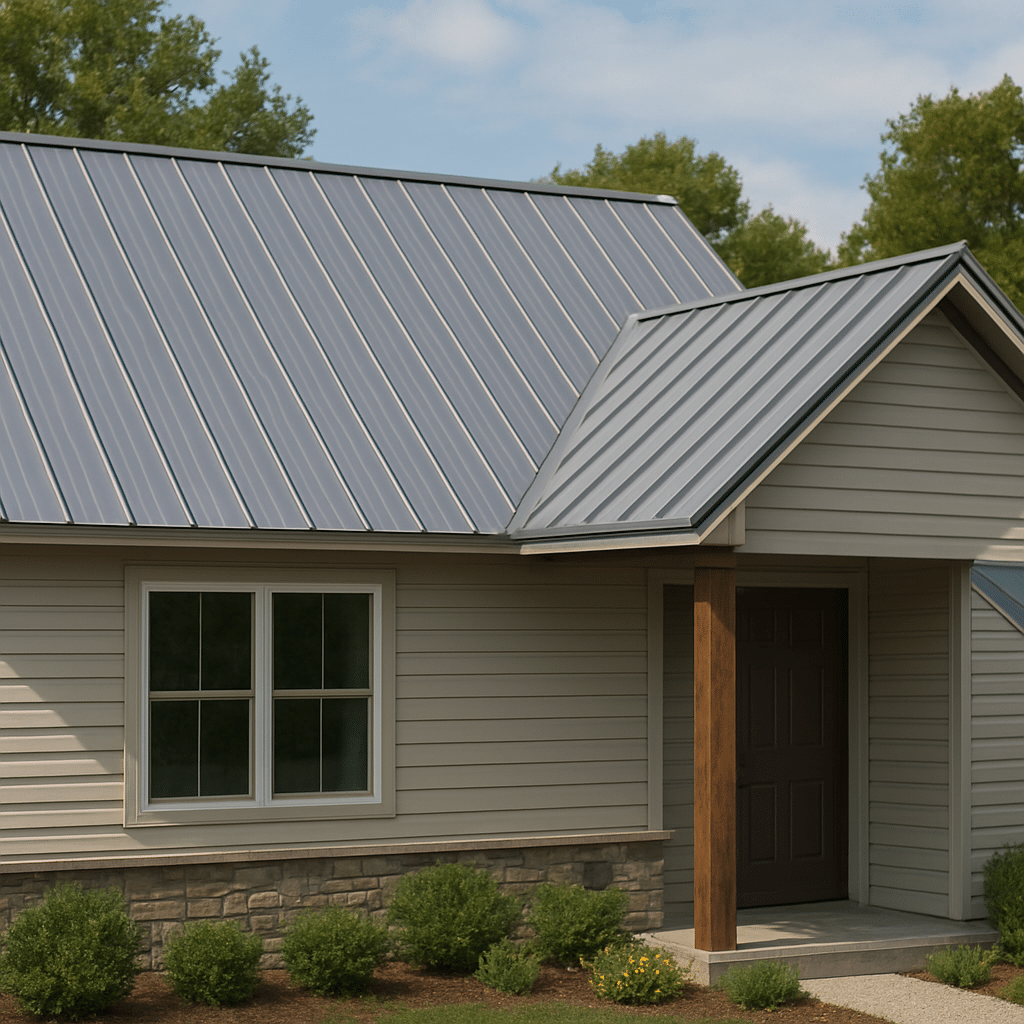
When it comes to energy efficiency and durability, few roof types/materials beat metal roofing. It reflects sunlight to keep homes cooler in the summer, sheds snow easily in the winter, and holds up against strong winds. Metal roofs are available in panel designs, providing a sleek, versatile option that works well with many home styles.
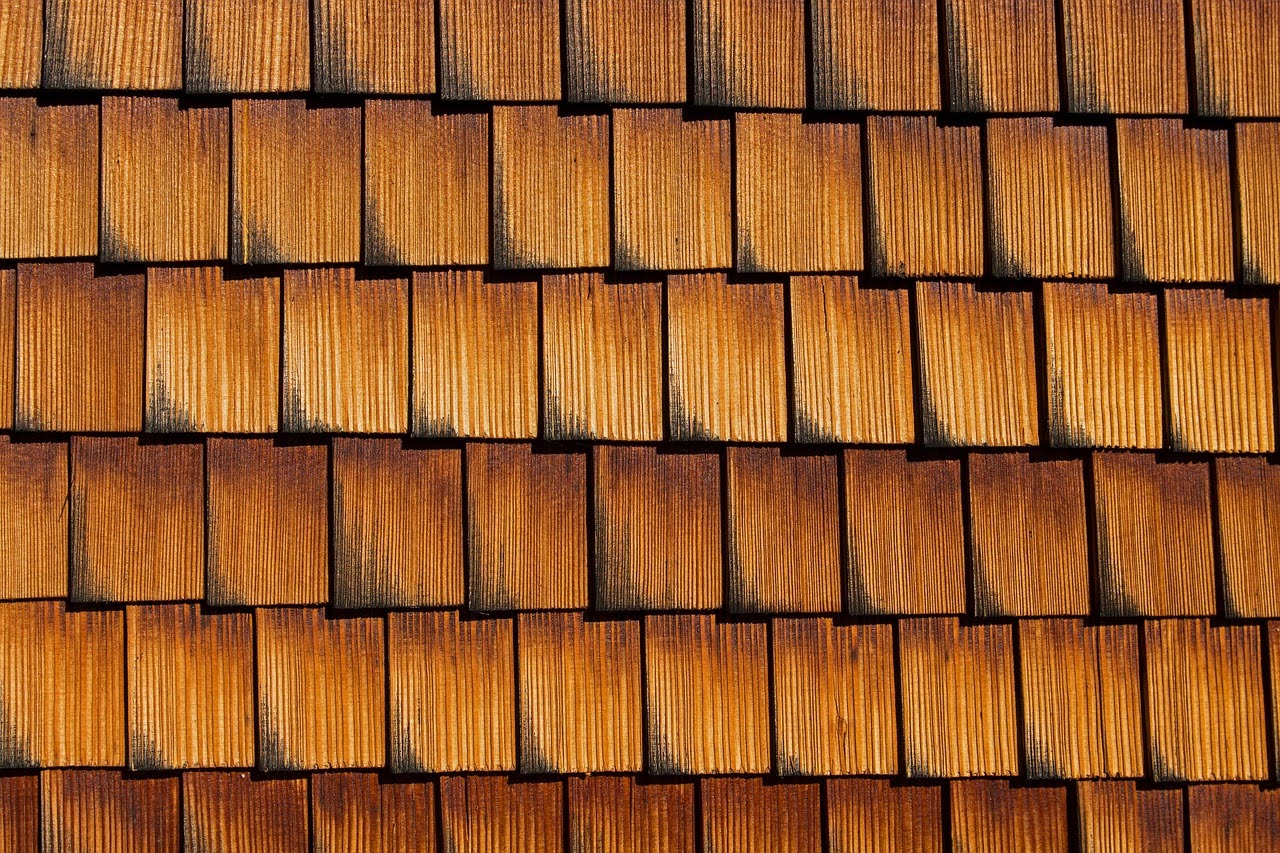
For homeowners who want a warm, natural appearance, wood shingles or shakes deliver a rustic charm that’s hard to duplicate. Cedar is a common pick because of its natural resistance to insects and rot. Just be aware that wood roofs need more maintenance and special treatment in areas where wildfires are common—and they may not be covered under your homeowner's insurance in those regions.
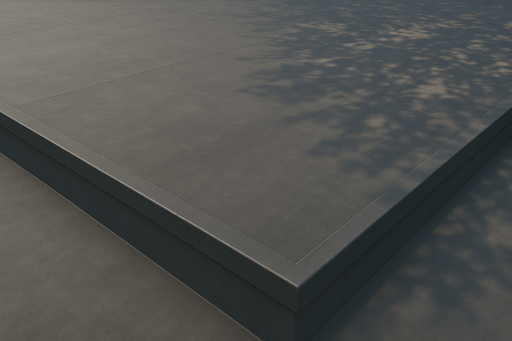
Rubber roofing, made from a synthetic material called EPDM, is a popular pick for flat or low-slope roofs. It’s flexible, waterproof, and handles temperature swings remarkably well. You’ll usually find it on garages, porches, or flat-roofed sections of residential homes.
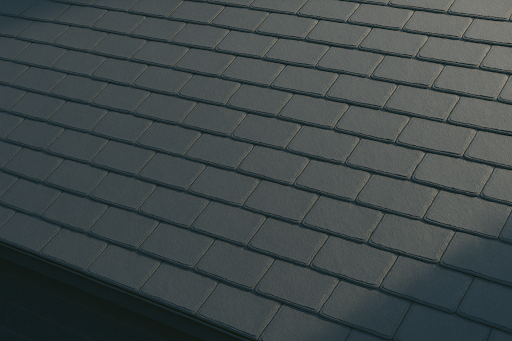
Nothing says ‘high-end’ quite like a real slate roof. Slate is a natural stone that’s extremely long-lasting, with some roofs easily pushing past 75 years. It’s heavy and costly, so it’s typically reserved for luxury homes that can support both the weight and the investment. However, slate may not be ideal in areas with heavy snowfall—like Park City—due to its weight and the potential for snow accumulation issues.
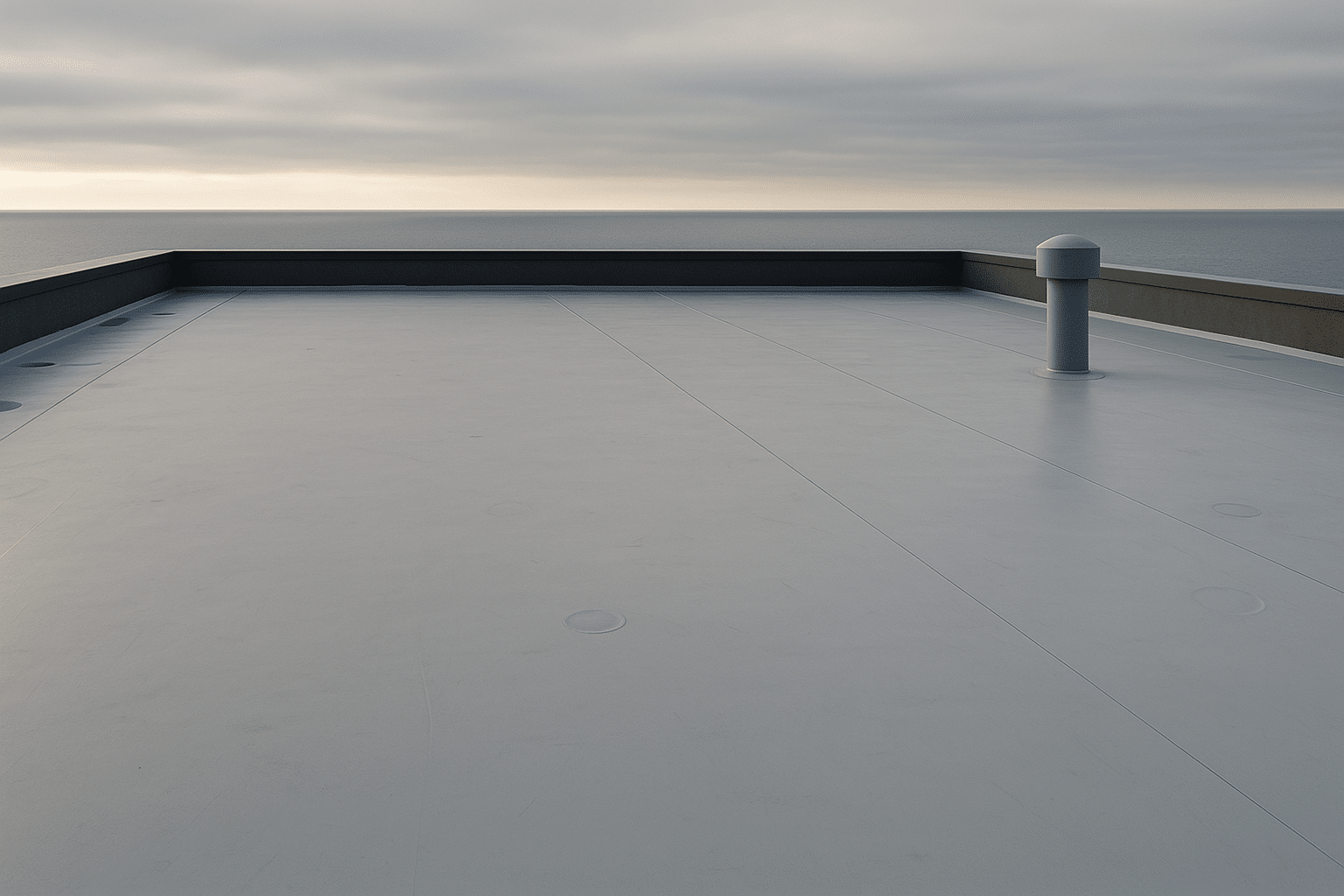
Single-ply roofing membranes like TPO, PVC, and EPDM are common on commercial buildings but can also be used for residential flat roofs. These roof types offer excellent waterproofing, good flexibility, and resistance to UV rays. TPO, in particular, is highly reflective, which can help keep your home cooler in hot weather. Just keep in mind that single-ply membranes aren't designed for steep slopes.
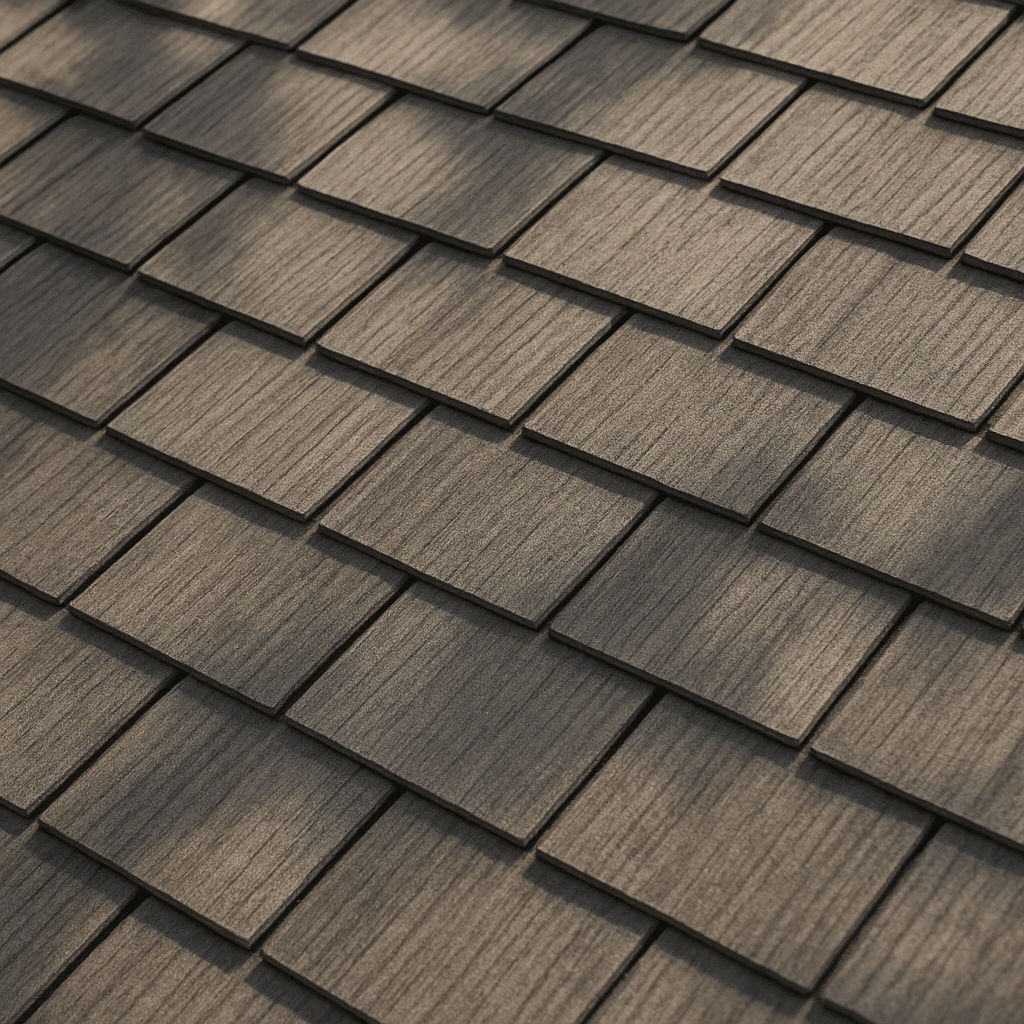
Want a best-of-both-worlds solution? Modern synthetic roofing materials can mimic the look of natural wood, slate, or clay without the associated downsides. They’re lighter and made with durability in mind. Plus, many synthetic options include recycled materials, making them an eco-friendly choice.
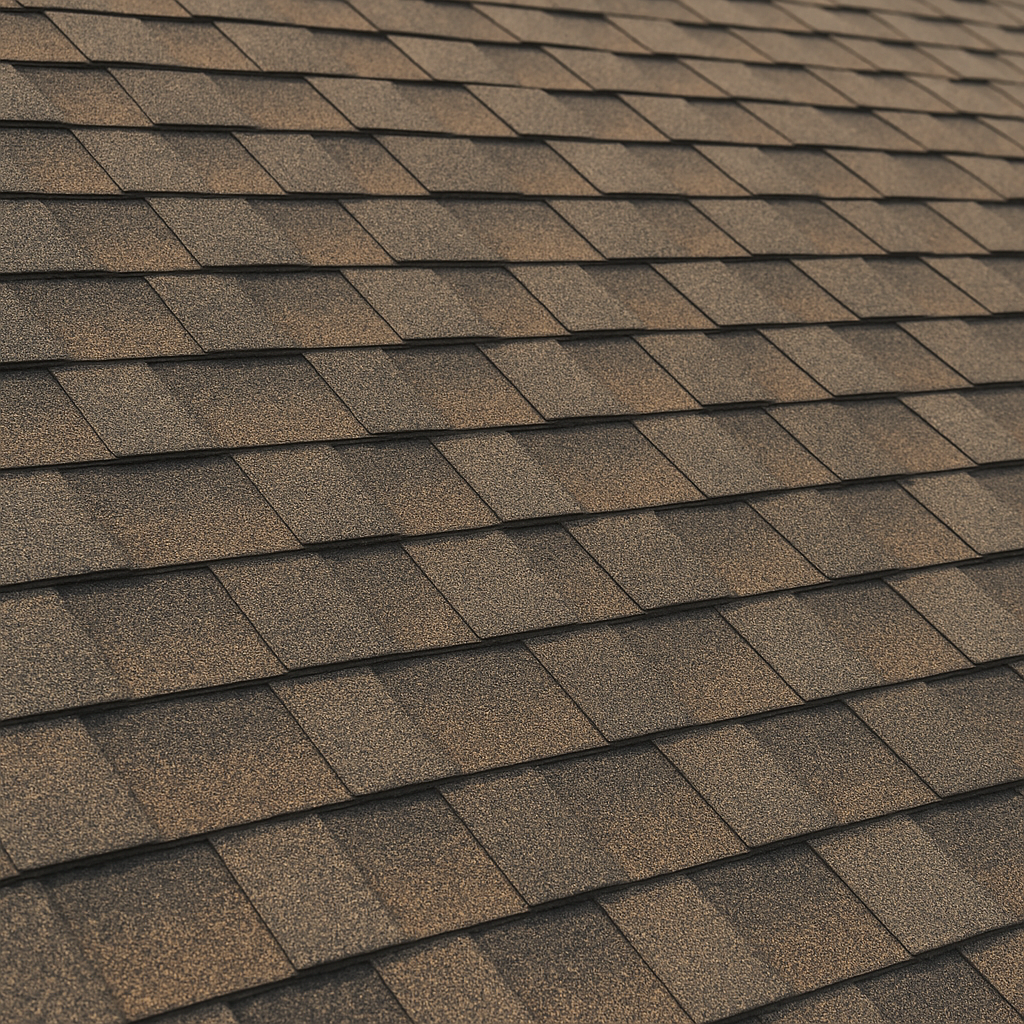
Finally, composite shingles combine several materials, including asphalt, fiberglass, and recycled products, to create a durable, affordable roofing option. Many composite shingles are designed to mimic more expensive roofing styles, offering a long-lasting and budget-friendly alternative.
Choosing the right roofing material is only part of the job. You’ll also want to pick a roof style that fits your home’s structure and the look you’re going for. Different styles work better with certain materials, and each has its own strengths when it comes to handling weather, weight, and long-term maintenance. Here are some of the most common roof styles you’ll find on homes today:
Shingles
Shingle-style roofs are extremely popular because they are versatile and fit a wide range of architectural designs. They consist of layers of individual pieces across the roof’s surface, making it easier to repair sections without replacing the whole roof.

Tiles
Designed to last and impress, tile roof types create a textured, classic look. These roofs are heavier than some other styles, but offer strong performance in hot, dry climates.
Shakes
Shakes deliver a rougher, more natural look compared to machine-cut shingles. They’re typically made from split wood and work best on rustic or traditional-style homes.

Screw-Down
Using exposed fasteners, screw-down metal roofs are a practical and budget-friendly option. They’re common on sheds, barns, and even some residential homes looking for simple, rugged durability. Screw-down roofs are typically only recommended in hot, dry markets like Arizona, New Mexico, Nevada, and southern Utah (St. George).
The design of your roof caps things off (literally), shaping both the look and function of your home. Just like materials and styles, different designs have their own strengths—and the best fit often depends on your home's layout, the local climate, and your personal preferences. Here’s a breakdown of some of the most popular roof designs you’ll come across:
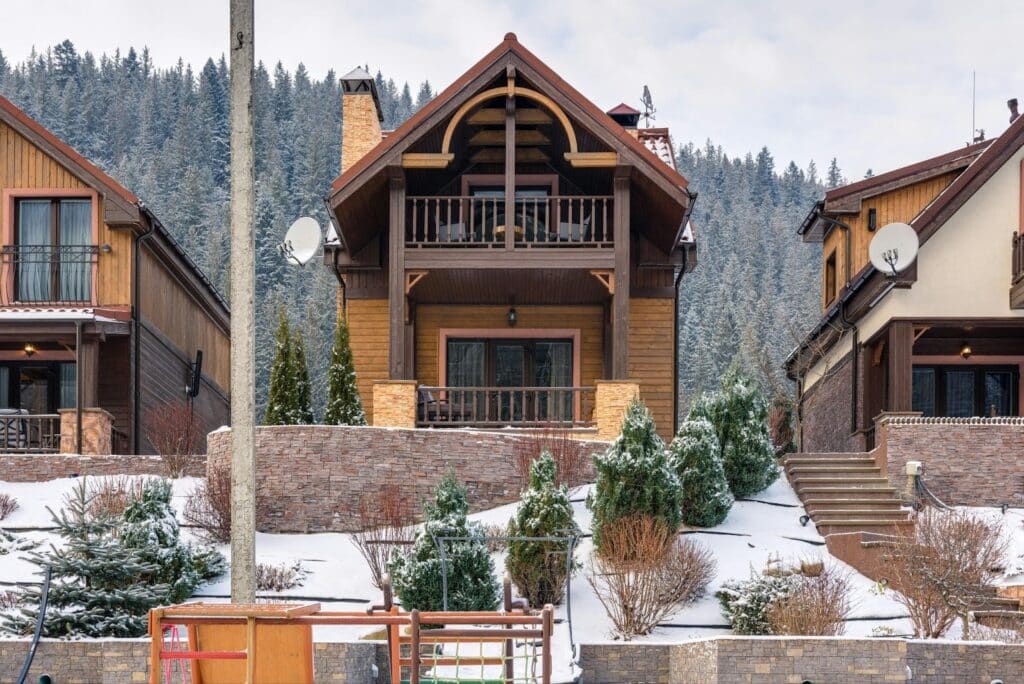
Gable Roof
Gable roofs are what most people picture when they think of a roof—two sides sloping up to meet at a peak. This classic shape handles rain and snow easily, making it a great choice for areas with heavy weather. Gable roofs may also allow for more attic space and better ventilation compared to some other designs.
Hip Roof
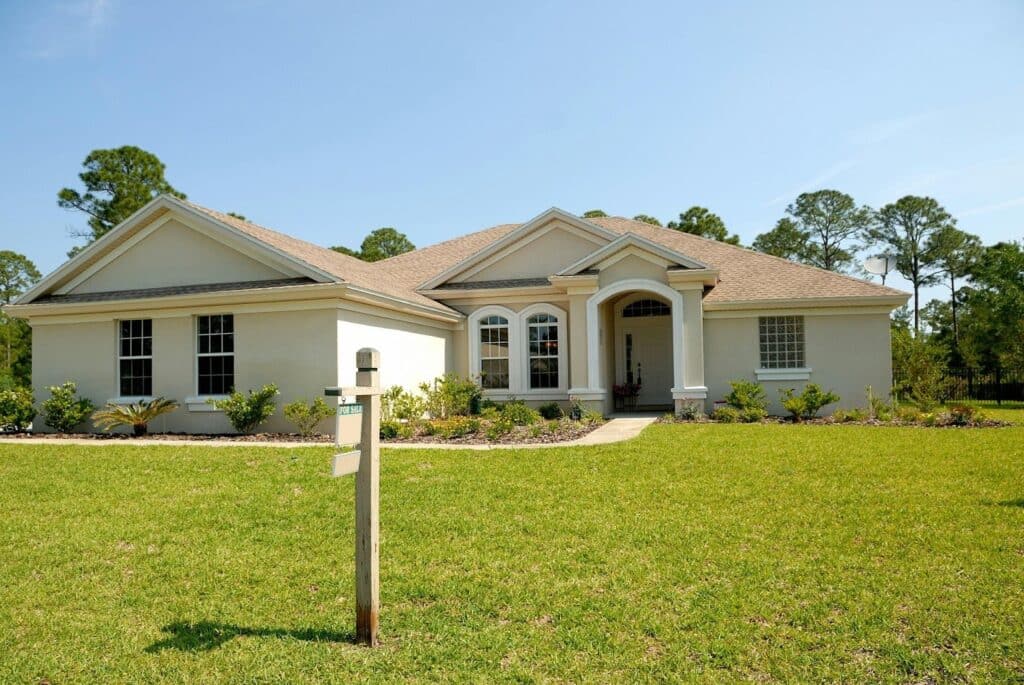
A hip roof slopes down on all four sides, meeting at a ridge or a single peak (depending on the shape of the house). Because the slopes are uniform, hip roofs are very stable and hold up well under high winds and heavy snow. They tend to create a softer, more balanced look than the sharp angles of a gable roof.
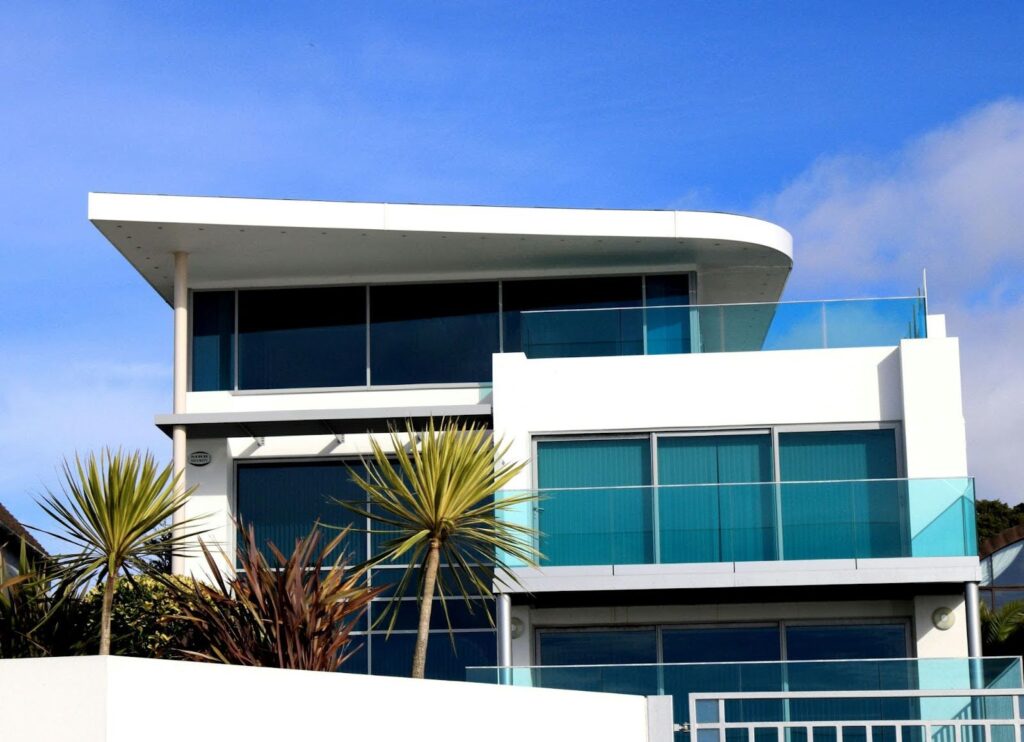
Flat Roof
Despite the name, flat roofs aren’t perfectly level; they have a slight pitch, making them a type of low slope roof that allows water to drain off. This design is popular in modern and mid-century homes, where clean lines and open floor plans are the goal. Just be aware that flat roofs need a reliable waterproofing system.
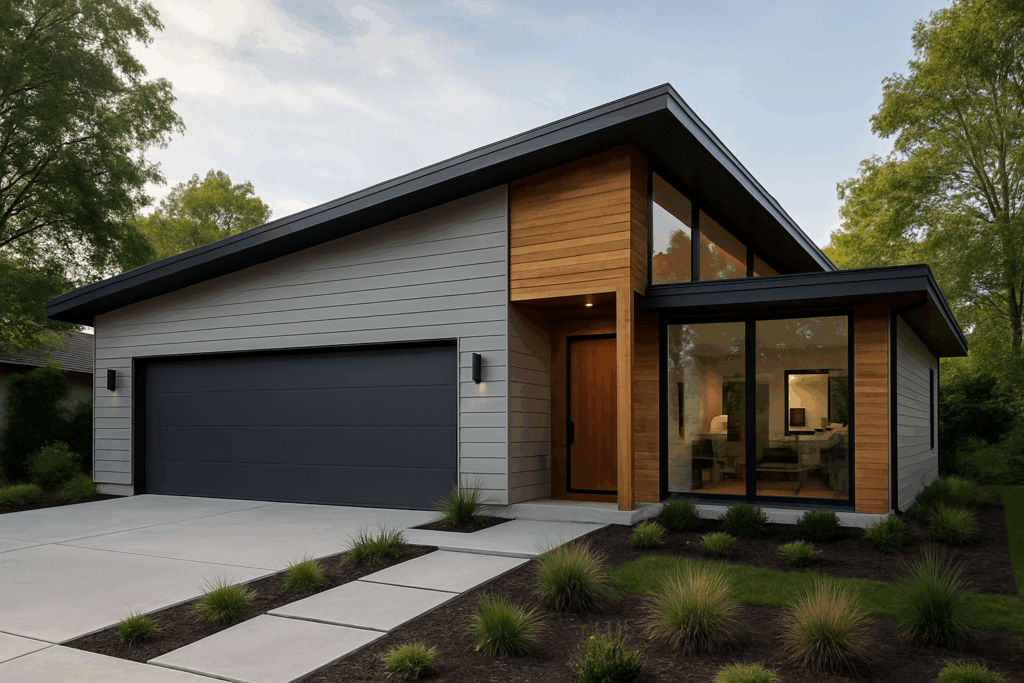
Shed Roof
Shed roofs feature a single sloping plane, like half of a gable roof tipped sideways. They’re a simple, modern choice often used for home additions, cabins, or full contemporary designs. With the right angle, a shed roof can make room for tall windows and lots of natural light.
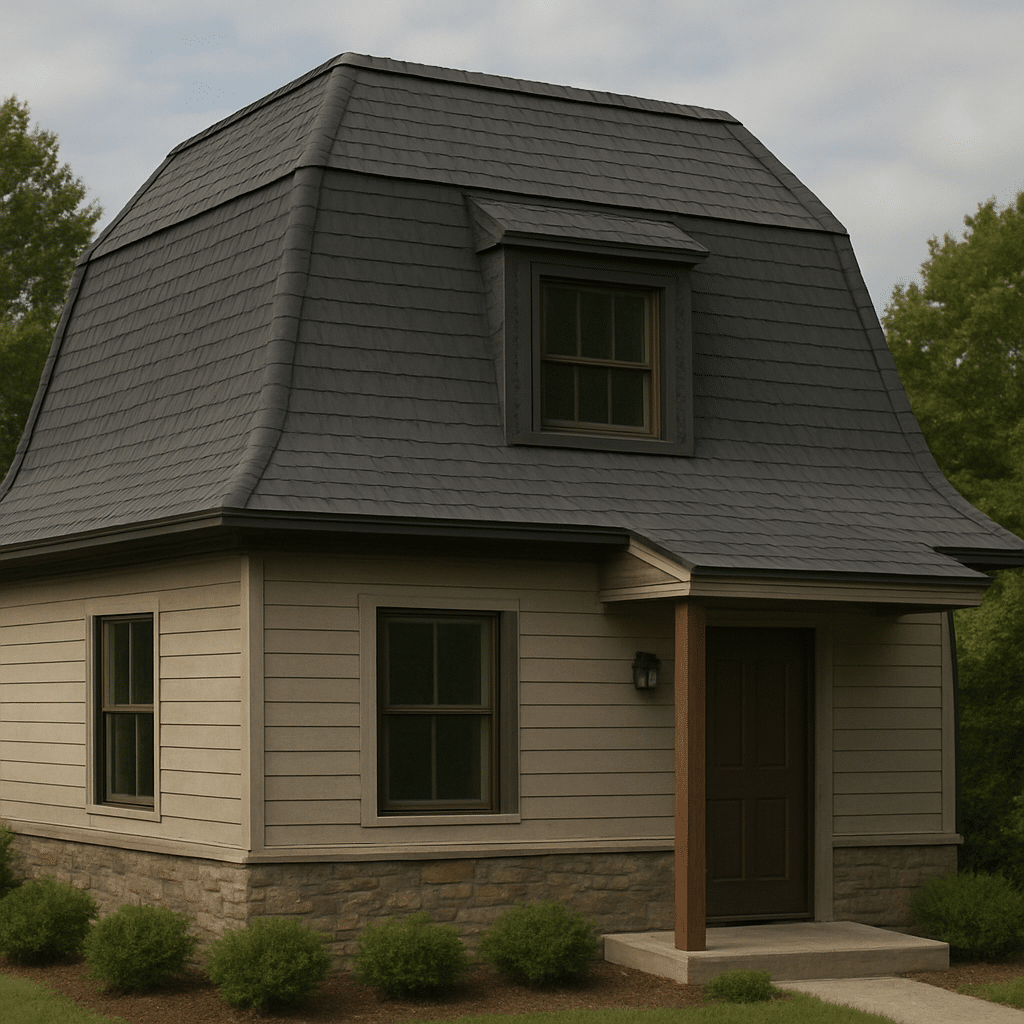
Mansard Roof
Originating from French architecture, a mansard roof has two slopes on each side, with the lower slope being much steeper than the top. This design creates extra living space inside, and is often used for additional bedrooms or even small apartments. Mansard roofs are highly decorative but can also be more complex (and expensive) to build and maintain.
Gambrel Roof
You might spot gambrel roofs on barns, but they also show up in Colonial and Georgian-style homes. This design uses two slopes on each side, with the lower slope much steeper to maximize headroom. Gambrels offer a lot of usable attic or loft space, but they can be more vulnerable to damage from heavy snow if not properly supported.
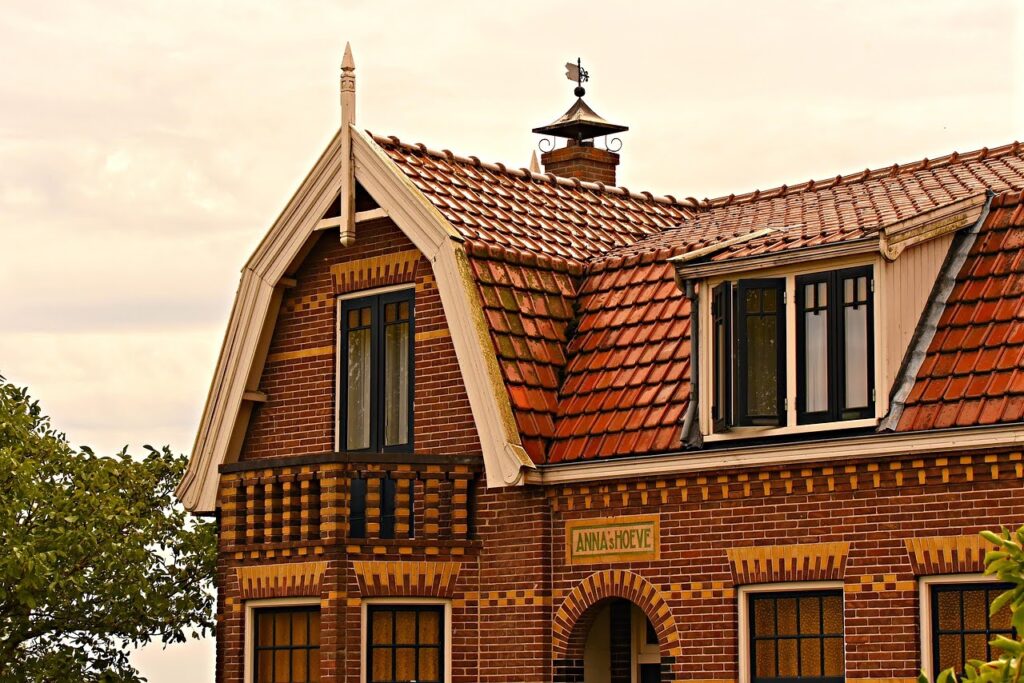

Dormer Roof
Technically, a dormer is an extension added to an existing roof to create extra space and bring in natural light. A full dormer roof, like the ones seen in Cape Cod-style homes, uses multiple dormers across a steep roof to make upstairs rooms feel larger. Dormers also add curb appeal and break up large roof surfaces visually.
Dutch Gable Roof
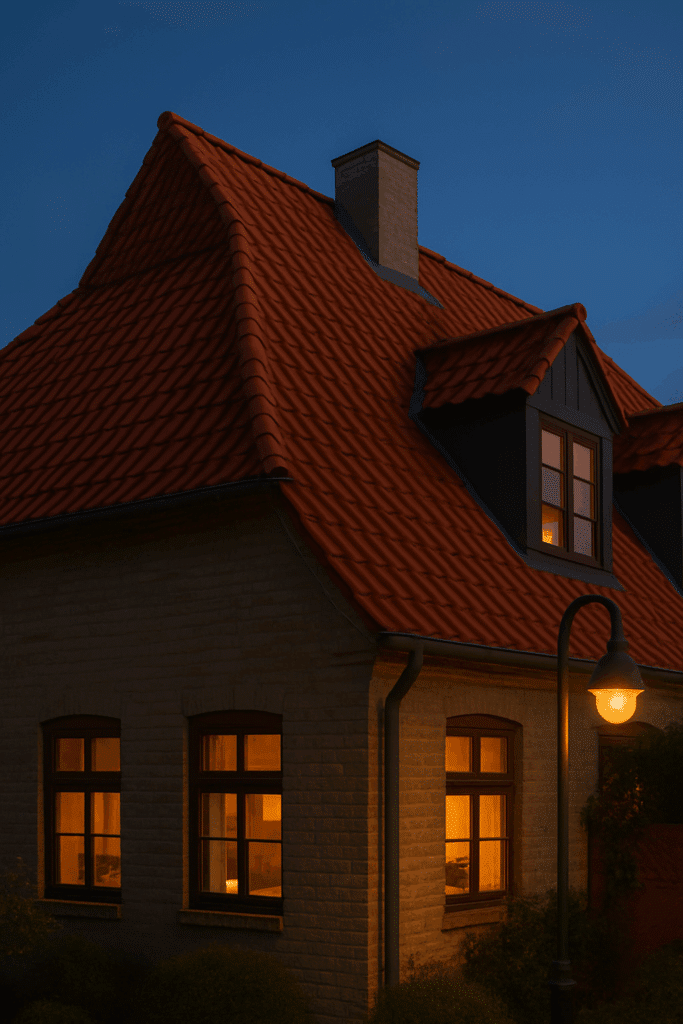
A Dutch gable roof is a hybrid design that combines a traditional hip roof with a small gable at the top. The gable section adds extra attic or upper-floor space and gives the home a distinctive, classic look. This design also improves ventilation and can offer more flexibility for window placement.
A roof over your head is what makes a house, but there’s a lot more to it. When it’s time to decide on the roof type to invest in, a little research upfront can save you a lot of headaches later.
Here are a few tips to help you make the right choice:
Talk to the Experts at On Top Roofing
It never hurts to bring in the pros. At On Top Roofing, we offer free, no-obligation estimates and can help you choose the best roof for your home’s needs and style. Our experienced team works with all types of roofing materials and styles and proudly serves Draper, Sandy, Salt Lake City, and the surrounding areas.