Winter weather can be tough on your home, and your roof takes the brunt of it. Snow, ice, freezing temperatures, and strong winds can put stress on roofing materials and expose problems that may have gone unnoticed during warmer months. Winter weather can quickly turn a small leak into a much bigger problem.
Taking time to prepare your roof before winter weather arrives can help protect your home and give you greater peace of mind throughout the season. Here are some important steps homeowners can take to get their roofs ready for winter weather.
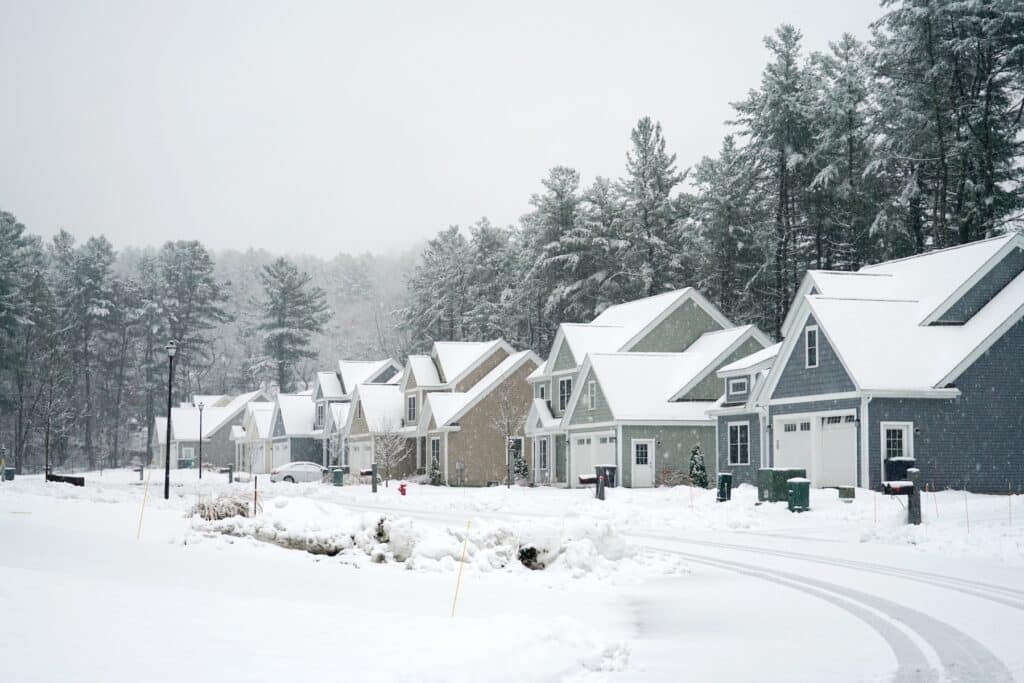
Your roof is designed to protect your home from the elements, but even a well-maintained roof can develop problems over time. Existing damage can become more serious when exposed to snow, ice, freezing temperatures, and winter storms.
Preparing your roof gives you an opportunity to find and address potential problems before they lead to leaks or interior damage. Professional roof inspections can also identify issues that may be difficult to spot from the ground.
Shingles are one of the most important parts of your roofing system, so they should be inspected before winter weather arrives. Look for missing, cracked, curled, loose, or visibly damaged shingles.
Damaged shingles can allow water to reach the materials underneath your roof. When temperatures drop below freezing, moisture can create additional problems as it freezes and expands.
If you notice damaged shingles, have them evaluated by a professional roofer. Taking care of repairs before winter can help prevent minor damage from becoming a more expensive roofing problem.
Flashing helps protect areas where your roof meets features such as chimneys, vents, skylights, and other openings. If flashing is loose, cracked, or damaged, water may find its way into your home.
Before winter arrives, have these areas inspected for signs of deterioration. A professional can determine whether flashing needs to be repaired or replaced. Because roof penetrations are common areas for leaks to develop, paying attention to them can be an important part of preparing your roof for winter weather.
Your gutters play an important role in directing water away from your roof and foundation. Leaves, branches, and other debris can prevent water from draining properly. Clean your gutters before winter and check your downspouts to make sure water can flow freely. Proper drainage becomes especially important when snow and ice begin melting.
If gutters are clogged or drainage is poor, melting snow can contribute to water buildup around the roof. Keeping your gutters clear is a simple maintenance step that can help protect your roofing system.
A roof leak isn't always obvious from outside your home. Before winter, look around your attic and upper levels for signs that moisture may already be getting through your roof. Common warning signs include water stains on ceilings or walls, damp areas, peeling paint, and musty odors. You may also notice moisture around chimneys, vents, or other roof penetrations.
If you notice any of these signs, don't wait for the next winter storm to address them. A professional roofing inspection can help determine where the moisture is coming from and what repairs may be needed.
Your attic can provide valuable information about the condition of your roof. Look for signs of moisture, water damage, or inadequate insulation. Proper insulation and ventilation can help regulate temperatures in the attic and reduce moisture concerns. When attic conditions are not properly managed, problems such as condensation can develop.
If you're unsure whether your attic has adequate insulation or ventilation, a roofing professional can evaluate the space and recommend appropriate solutions.
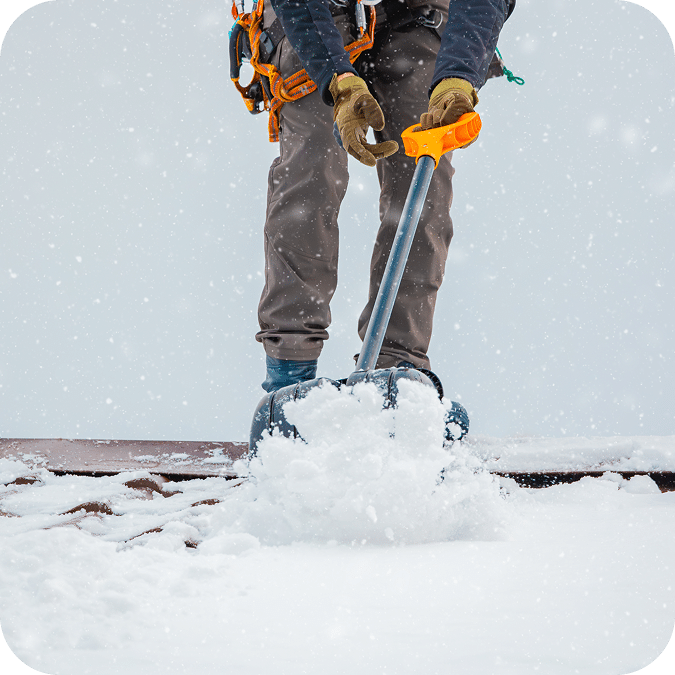
While homeowners can look for obvious signs of damage, some roofing problems aren't easy to identify without professional experience. Scheduling a roof inspection before winter can help uncover issues before they become emergencies.
A professional roofer can examine shingles, flashing, roof penetrations, and other components of the roofing system. They can also help determine whether your roof needs minor repairs, more extensive work, or replacement.
Getting an inspection before winter gives you more time to address problems while weather conditions are still favorable for roofing work.
Not every roofing issue means you need an entirely new roof. In some cases, replacing damaged shingles, repairing flashing, or addressing a leak may be enough to prepare your roof for winter.
However, an older roof with extensive damage may need to be replaced. Continuing to postpone necessary repairs can leave your home more vulnerable when winter storms arrive.
Preparing your roof for winter weather doesn't have to be complicated. Inspecting your shingles, checking flashing, cleaning gutters, looking for leaks, and evaluating your attic can all help you get ahead of potential problems.
If you're concerned about the condition of your roof, On Top Roofing can help. Contact us at On Top Roofing to schedule a professional roof inspection and learn more about the repairs or roofing services your home may need before winter arrives.