Quick Summary: A leaking roof can cause serious damage fast, from stained ceilings to mold and structural issues. Common causes include missing shingles, damaged flashing, clogged gutters, and aging materials. If you spot a leak, act quickly: contain the water, move valuables, document the damage, and cover the area with a tarp if safe. Always schedule a professional inspection and repair as soon as possible to prevent long-term problems.
A rain storm is moving in, but you’re snug inside your house—the kids are tucked in, the dishwasher’s running, and you’ve finally crawled into bed after a long day. And then, just as you’re drifting off to sleep, you hear it: drip…drip…drip. At first, you hope it’s nothing; maybe just a bathroom faucet that didn’t get turned all the way off. But then you hear it again, a little louder this time—and coming from the ceiling. You turn on the bedside lamp, and your heart sinks. A dark, wet spot is spreading overhead, and water is pooling on the floor.
Your roof’s job is fairly straightforward: keep the outside out. It protects your home from rain, snow, wind, and sun. But when it fails—even in just one spot—that protection breaks down fast. Water can ruin ceilings, insulation, walls, flooring, electrical wiring, and (if left unchecked) even furniture and personal possessions.
The good news is, you’re not helpless. There are clear steps you can take right away to limit the damage and start solving the problem, and what you do next makes a big difference. Let's walk through what you need to know.
Causes of a Leaking Roof
Before you can fix a roof leak, you’ve got to know where it’s coming from. That’s not always as easy as it sounds. Water has a sneaky way of traveling along rafters or drywall before finally showing itself. But in most cases, leaks come down to a handful of common issues:
Missing or Damaged Shingles Shingles can get blown off or cracked by intense weather. Once that top layer is compromised, it doesn’t take much for water to start vetting through..
Failing Flashing Flashing is the metal used around chimneys, skylights, and roof edges to direct water away from seams. If it rusts, cracks, or pulls away, it opens up a direct path for leaks.
Clogged Gutters When gutters fill up with leaves and debris, water can back up onto the roof instead of draining away. That standing water can then seep under shingles and cause leaks near the eaves.
Boot Failures ‘Boots’ are covers that seal the area where vents or other pipes come through the roof. Over time, UV rays and weather can crack them, allowing water to sneak in.
Improperly Driven Nails If roofing nails aren’t installed straight or deep enough, they can pop up and punch through shingles. This leaves tiny openings in the roof.
Chimney or Skylight Issues Cracks in chimney mortar or gaps around the base can lead to leaks. Skylights can also be a source of trouble if they aren’t installed correctly or if a seal fails.
Ice Damming In cold weather, ice can build up at the edges of your roof and trap melting snow behind it. Roof leaking occurs when that backed-up water forces its way under the shingles.
Age and Wear Sometimes, it’s just time. Materials break down, seals fail, and even minor issues can turn into leaks if the roof is past its prime.
Signs of a Leaking Roof
You can’t fix a leak if you don’t know it’s there. And while some leaks show obvious symptoms right away, others are more subtle. Unfortunately, all of them can cause serious damage if left unchecked. Keep an eye out for these common red flags:
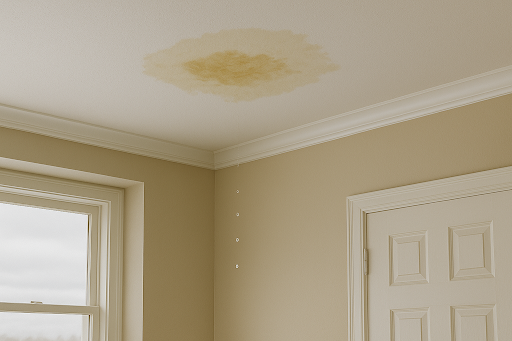
Water Stains on Ceilings or Walls If you notice brown or yellow discoloration spreading across your ceiling or running down your walls, that’s a strong sign water is getting in. These stains often show up before you see any active dripping.
Dripping Water or Puddles This one’s hard to miss. If you’ve got water actively dripping from the ceiling or pooling on the floor, the leak is already advanced. Act fast to contain the water and prevent further damage.
Mold or Mildew Growth Moisture creates the perfect environment for mold and mildew. If you start seeing growth in places that should stay dry—like ceiling corners or upper walls—there’s likely a hidden leak feeding it.
Peeling Paint or Wallpaper Water behind your walls can cause paint to bubble, peel, or flake off. Wallpaper may start to loosen or fall away. These changes might seem cosmetic at first, but they usually mean moisture is trapped underneath.
Musty Odors A persistent musty or damp smell in your home is often a sign of water where it doesn’t belong. Even if you can’t see the leak, your nose might tip you off to moisture buildup behind walls or in the attic.
What To Do When Your Roof is Leaking
Dealing with a leaking roof can feel overwhelming, but taking the right steps, right now, may be the most important thing you can do to limit the damage to your home—the quicker you act, the better your chances of avoiding major repairs. As soon as you identify a leak, these should be your next steps:
Contain the Water Using Buckets, Towels, or Tarps Start by placing containers under the leak to catch dripping water. Towels can help soak up moisture and reduce the risk of slipping, water stains, or further damage from water seeping through the floor. If water is spreading across a large area, lay down tarps or plastic sheets.
Move Furniture and Valuables Away from the Leak Shift anything you can—like couches, appliances, rugs, or other items—out of the way. Even a small amount of water can cause big damage if it soaks into fabrics, wood, or electrical equipment.
Relieve Water Pressure from Bulging Ceilings (If Safe) If your ceiling is sagging or bulging, that’s usually water pooling above it. Carefully puncture the lowest point of the bulge with a screwdriver and place a bucket underneath to catch the water and relieve some of the pressure. However, if the ceiling is cracking, severely bowed, or near electrical wiring, don’t touch it—get out from under it and call a professional immediately. Damaged ceilings can collapse or pose electrical risks.
Identify and Mark the Leak’s Source (If Visible) If at all possible, try to trace the water back to its source. Look for damp spots near roof vents, chimneys, skylights, or around light fixtures. Mark possible leak locations with tape or chalk so your roofer can find it quickly.
Use a Tarp or Plastic Sheet to Cover the Damaged Area If the weather allows and it’s safe to do so, cover the damaged section of your roof with a heavy-duty tarp. Anchor it with boards or roofing nails to prevent wind from lifting it. Make sure the tarp covers several feet past the damaged area for full protection.
Document the Damage with Photos for Insurance Take pictures of everything—the ceiling, the water stains, any items that were damaged, and the suspected leak source. These photos are important for insurance claims and can help validate the scope of the damage.
Check Your Attic for Additional Signs of Damage If it’s safe to enter, your attic can offer clues you won't find inside the main house. Bring a flashlight and look for damp insulation, stained rafters, mold growth, and (of course) active drips. Noting where the water has spread will help you understand the full extent of the damage and give your roofing contractor better information for planning repairs.
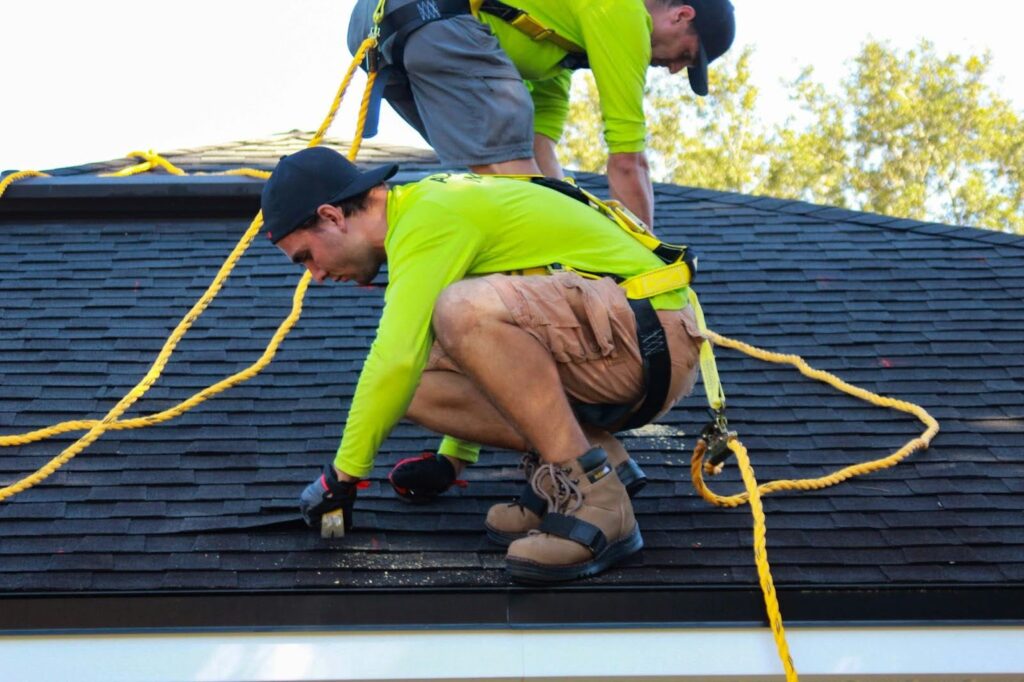
Avoid Walking on the Roof (Especially When Wet) It may be tempting to climb up and see what’s going on, but don’t risk it. Wet roofs can be extremely slippery, even if they don't look like it from the ground. Add in wind, rain, or ice, and you’ve got a dangerous situation. Even if it isn't wet, walking on the roof can further damage materials that may already be compromised. Don't risk it; always leave roof inspections and temporary coverings to professional roofers who have the right safety gear and training.
Review Your Homeowner’s Insurance Policy Not all roof leaks are covered by insurance, but it’s worth checking your policy to see what’s included. Coverage often depends on the cause of the leak and whether it was due to lack of maintenance.
Schedule a Full Roof Inspection and Repair as Soon as Possible Even if the leak seems minor, get it checked out by a roofing professional. A quick, do-it-yourself fix might only buy you time, and hidden damage can lead to bigger issues down the line. Call a local, licensed roofing contractor who can fully inspect the problem and recommend repairs.
Once the Leak Has Been Repaired, Take Preventative Steps to Avoid Future Leaks After things are patched up, it’s smart to schedule regular roof maintenance. This includes cleaning gutters, trimming trees, checking seals, and having your roof inspected on a yearly basis. Staying ahead of small issues can keep leaks from coming back.
Leave Leaking Roof Repair to the Professionals
When it comes to a leaking roof, speed matters—but so does getting the repair done right. While quick actions like catching water and covering the damaged area can help protect your home in the short term, the most important step you can take is calling a trusted roofing professional. Roof leaks are rarely simple, and what looks like a small issue on the surface can hide major damage underneath.
If you’re in Utah County, On Top Roofing is your go-to team for expert leak detection, repair, and long-term roof maintenance. We’ve helped hundreds of local homeowners protect their homes from weather-related damage, and we can help you, too.