Winter weather can turn your roof into a battleground between melting snow and freezing temperatures. When that cycle repeats, ice can build up along the edge of your roof and create ice dams, potentially leading to leaks and costly water damage. Roof heat cables can help prevent this problem by keeping vulnerable areas warm enough for melting snow and water to drain properly.
In this guide, we'll explain how heat cables work, where they're used, and why proper roof preparation matters. If you're concerned about ice dams or winter roof damage, On Top Roofing can help evaluate your roof and recommend solutions to help protect your home.
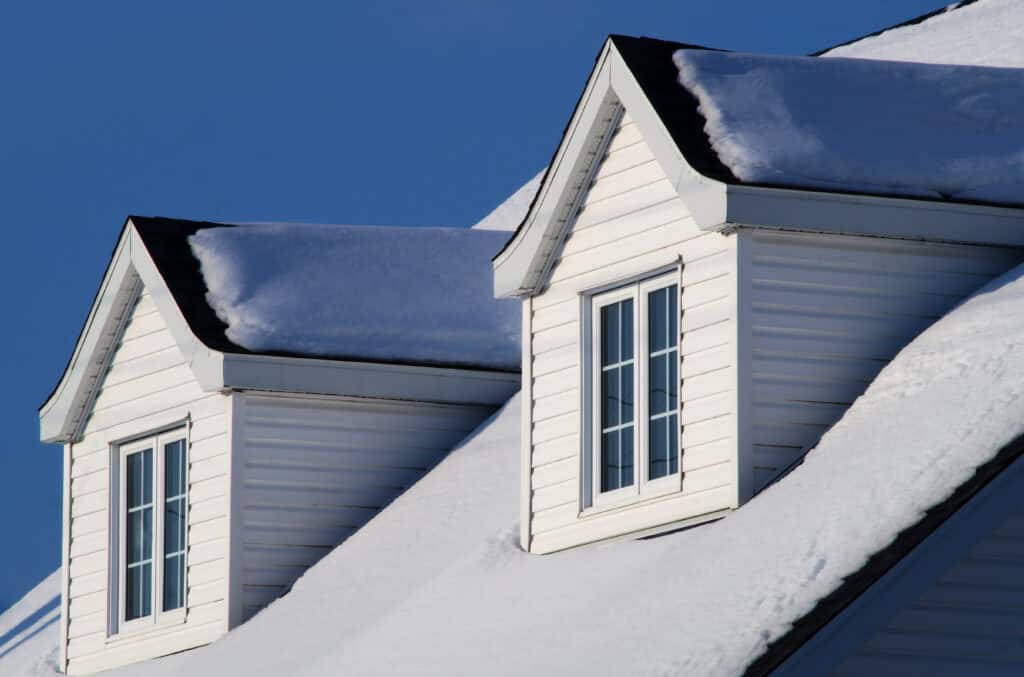
An ice dam is a buildup of ice that forms along the lower edge of a roof. It typically develops when heat from inside the home escapes into the attic and warms portions of the roof. Snow sitting on the warmer section of the roof begins to melt, causing water to flow toward the colder edges.
When that water reaches the colder portion of the roof, it can freeze. Over time, additional snowmelt can collect behind the ice and create a larger dam.
Ice dams are more than just a winter inconvenience. The trapped water may eventually find its way beneath shingles and into the roofing system, which creates the potential for leaks and water damage.
The biggest concern with ice dams is the water that becomes trapped behind them. Instead of flowing naturally into the gutters and away from the home, melting snow can back up against the roof.
This can potentially lead to:
Even if an ice dam does not immediately cause a visible leak, repeated freezing and thawing can put additional stress on your roof. Preventing significant ice buildup can help reduce the risk of these problems.
Roof heat cables, sometimes called heat tape, are electrical cables designed to provide controlled heat along areas of a roof that are vulnerable to ice buildup. They are commonly installed along roof edges, eaves, gutters, and downspouts.
The goal isn't to melt all the snow covering your roof. Instead, heat cables create open channels through areas where ice is likely to form. These channels give melting snow and water a path to drain away from the roof.
Because heat cables are installed in specific areas, proper placement is important. A roofing professional can determine where cables may be most useful based on the design and problem areas of your roof.
Heat cables work by warming targeted sections of the roof and preventing water from freezing in those areas. As snow melts higher on the roof, the resulting water can travel toward the heated areas.
Without an open drainage path, that water can freeze near the roof edge and contribute to an ice dam. Heat cables help maintain a channel where water can continue moving toward the gutters and downspouts. This can be particularly useful around roof edges and gutters, where freezing temperatures often cause water to accumulate and turn into ice.
However, heat cables are a preventative tool rather than a complete solution for every ice dam problem. If your home experiences recurring ice dams, it's important to look at the overall condition of the roof and attic as well.
Heat cables are generally installed in areas where ice buildup is most likely to interfere with drainage. Depending on the roof, this may include the lower edges of the roof, eaves, gutters, and downspouts.
Some roofs may also have vulnerable areas around valleys or sections where snow and water tend to collect. The appropriate placement depends on the design of the roof and the areas where ice dams have occurred in the past.
Professional installation can help ensure the cables are positioned properly and securely. Incorrect installation may reduce their effectiveness or potentially damage roofing materials.
While heat cables can be helpful, they shouldn't necessarily be the only strategy for preventing ice dams. A home's attic insulation and ventilation can also affect how much heat reaches the roof.
Keeping gutters and downspouts clear is another important step. If these areas are already clogged with leaves or debris, melting snow may have difficulty draining properly.
Homeowners should also address damaged shingles, flashing problems, or roof leaks before winter. If ice dams happen repeatedly, a professional roof inspection can help identify conditions that may be contributing to the problem.
It's best to plan for winter before heavy snow and ice arrive. Installing heat cables ahead of time allows homeowners to have vulnerable areas prepared before freezing conditions make roofing work more difficult.
If you've experienced ice dams in previous winters, consider having your roof evaluated before the next major snowstorm. A professional can help determine whether heat cables or other preventative measures may be appropriate for your home.
If you're dealing with recurring ice dams or want to prepare your roof for winter, On Top Roofing can help you evaluate your roofing system and identify potential problem areas. Contact us at On Top Roofing to learn more about protecting your roof from winter weather and ice dam damage.