A small water stain on the ceiling might not seem like a big deal at first, but it could be a sign of a much larger roofing problem. Even minor leaks can allow moisture to damage insulation, drywall, and the structure of your home over time. The tricky part is that the water you see inside may have traveled a considerable distance from the original entry point. Knowing when to call a professional can help you address the problem early and avoid more expensive repairs down the road.
If you notice water dripping from the ceiling, spreading across a wall, or collecting near a window after rainfall, it is time to have your roof inspected. Visible leaks are often the clearest sign that something is wrong, even if the amount of water seems small.
Do not wait for the next storm to see whether the problem gets worse. Water can damage drywall, flooring, insulation, and personal belongings, and repeated moisture exposure can lead to additional issues. Move valuables away from the affected area and contact a roofing professional to identify the source of the leak and determine the appropriate repair.
Not every roof leak produces an obvious drip. Sometimes, the first warning signs are subtle, such as peeling paint, bubbling drywall, musty odors, or unexplained moisture in the attic. You might also notice dark spots on the ceiling or damp insulation after a storm.
Water can travel along roof decking, rafters, and other building materials before becoming visible inside your home. This means the location of a ceiling stain does not necessarily indicate where the leak started. A professional roofer can inspect the roof and surrounding components to help locate the source before the damage spreads.
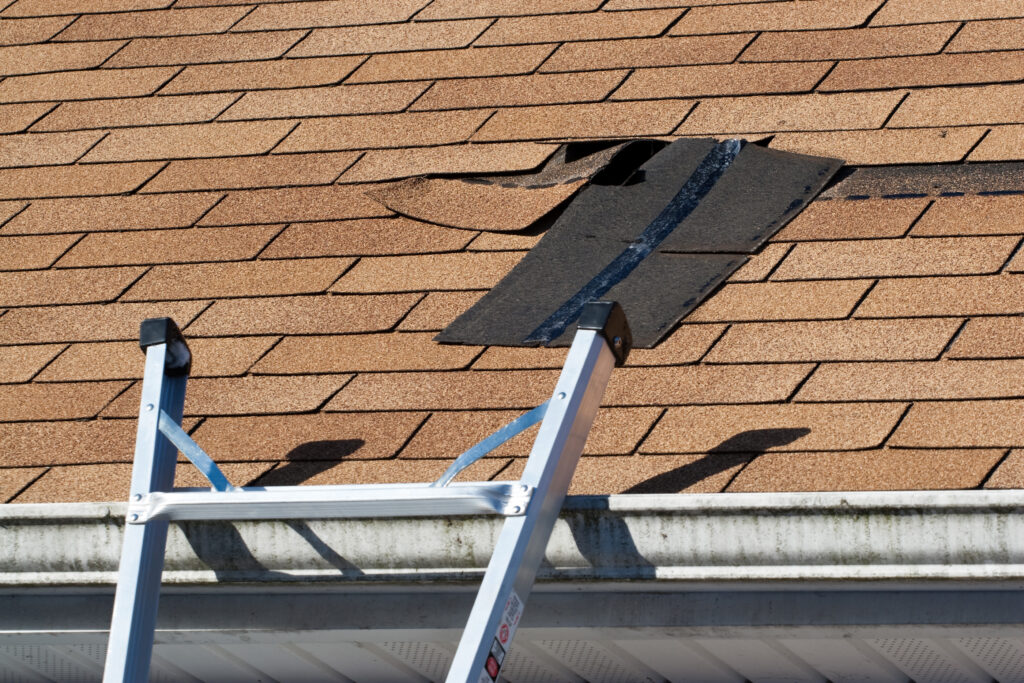
Heavy rain, strong winds, hail, and winter weather can all contribute to roof leaks. High winds may loosen or remove shingles, hail can damage certain roofing materials, and heavy precipitation can expose weaknesses around flashing, vents, chimneys, and other roof penetrations.
After a significant storm, look for visible signs of damage from the ground, such as missing shingles or debris on the roof. However, keep in mind that some problems are not easy to spot without a closer inspection. If you suspect damage or notice a leak after severe weather, contact a roofing professional promptly. Catching storm damage early can help prevent water from entering your home during the next round of bad weather.
It can be tempting to patch a leak yourself, especially if the damage appears minor. However, applying sealant or replacing a single shingle may not solve the underlying issue if water is entering through damaged flashing, deteriorated materials, or another part of the roofing system.
If a leak returns after a temporary repair, or you cannot determine where the water is coming from, professional help is the best next step. Roofing professionals have the experience to evaluate the entire area and identify problems that might otherwise go unnoticed. Climbing onto a roof can also be dangerous, particularly when surfaces are wet, icy, or damaged, so leave roof-level inspections and repairs to trained professionals.
Some leaks require more immediate action than others. Rapidly spreading water, significant ceiling stains, or water entering near electrical fixtures can indicate a serious situation. If water is near electrical equipment, avoid touching it and keep people away from the affected area. Contact an appropriate electrician or emergency service if there is an immediate electrical hazard.
A bulging or sagging ceiling is another serious warning sign because water may be accumulating above it. Keep people away from the area and do not stand beneath the damaged ceiling. Contact a roofing professional as soon as it is safe to do so. If water is entering your home rapidly, take reasonable steps to protect belongings only when you can do so without risking your safety.
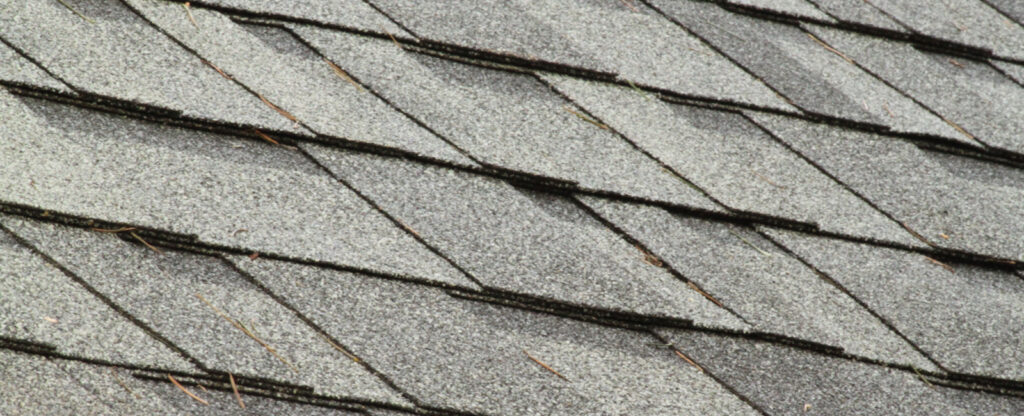
Not every roof leak means you need an entirely new roof. If the problem is limited to a small area, replacing damaged shingles, repairing flashing, or addressing a specific failure may be enough to restore the roof's performance.
However, widespread deterioration, repeated leaks in multiple areas, and aging roofing materials may indicate that replacement is the more practical long-term solution. The best option depends on the roof's age, overall condition, roofing material, and extent of the damage.
On Top Roofing works with a variety of roofing systems, including asphalt shingles, metal roofing, tile, and flat roofing. A professional assessment can help you understand the condition of your roof and decide which solution makes the most sense for your home and budget.
If you have noticed water stains, missing shingles, recurring leaks, or other signs of roof damage, contact On Top Roofing to schedule an inspection or discuss your repair needs. With professional help, you can identify the problem, explore your options, and take steps to protect your home from further damage.


