Does a New Roof Increase Your Home's Resale Value?

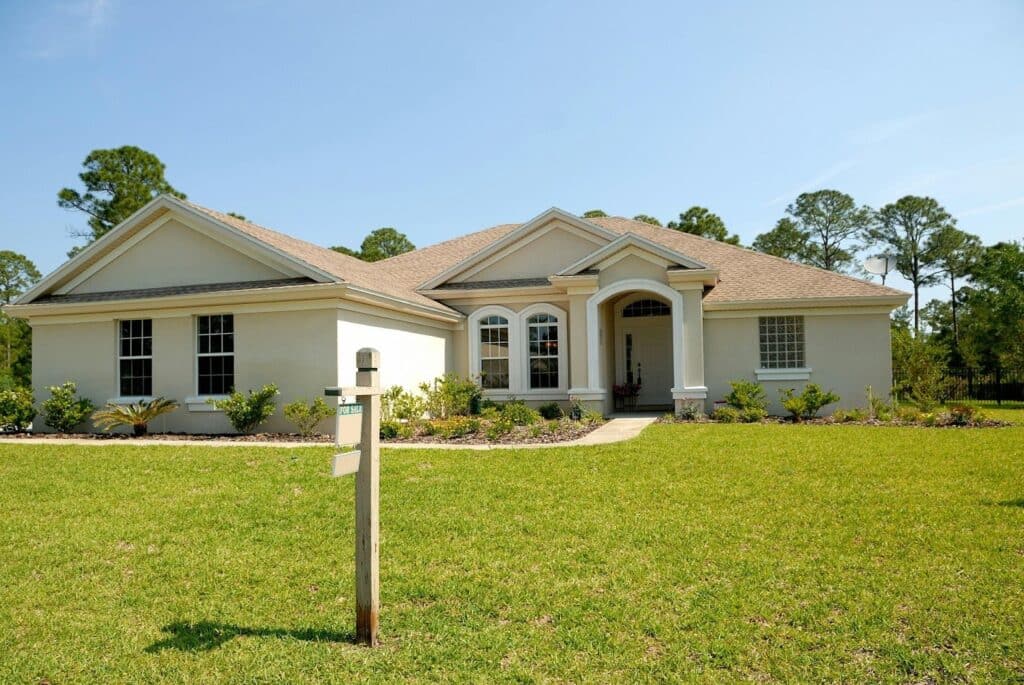
If you're planning to sell your home, you might be wondering which improvements are worth the investment. Updated kitchens and bathrooms often get attention, but your roof can also influence how buyers view your property. After all, no one wants to purchase a home only to discover they need to pay for a major repair shortly after moving in. So, does a new roof actually increase your home's resale value?

Here's what to consider before deciding whether roof replacement makes sense before selling.

How a New Roof Can Increase Your Home's Resale Value
Does a New Roof Increase Your Home's Resale Value?

Improve Curb Appeal and First Impressions

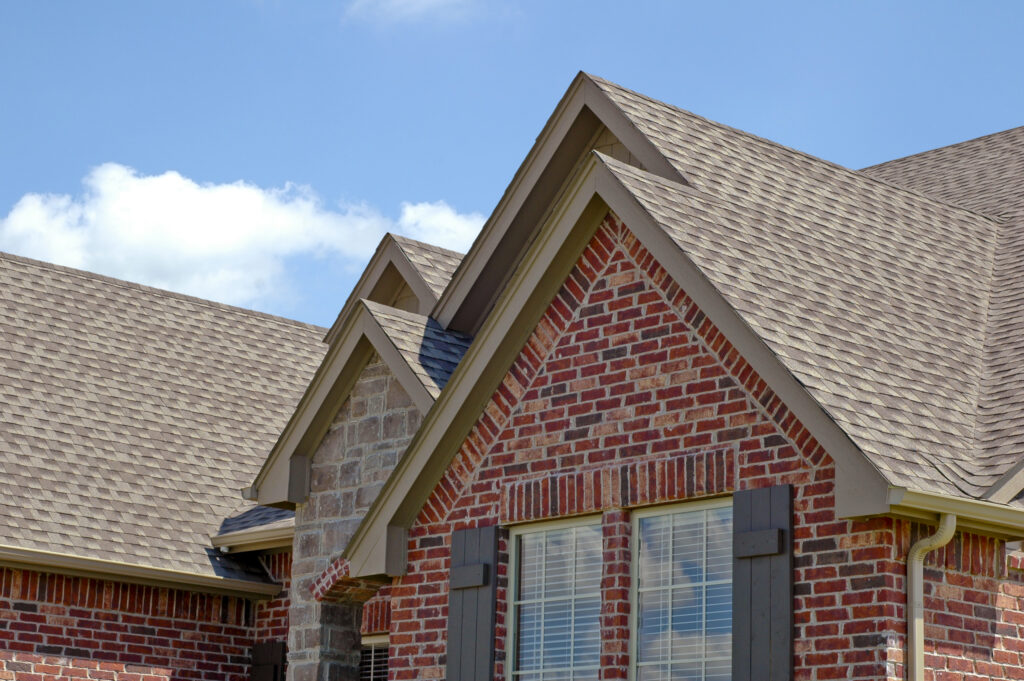
Your roof is one of the most noticeable features of your home's exterior. Missing shingles, faded materials, and visible wear can make the property look older or poorly maintained before potential buyers even step inside. A new roof creates a cleaner, more updated appearance and can help the entire home look well cared for.

Choosing a roofing material and color that complement your home's architecture can make an especially positive difference. Although a new roof alone may not transform your property's resale value, it can improve the overall impression buyers get when viewing your home.

Give Buyers More Confidence

Buying a home is a significant financial commitment, and most buyers want to avoid unexpected expenses after moving in. An aging roof can raise questions about leaks, water damage, and how soon a costly replacement might be necessary.

A new roof can ease some of those concerns by showing that a major component of the home has recently been updated. Buyers may feel more comfortable making an offer when they know they are less likely to face an immediate roofing project. While this does not guarantee a higher selling price, it can help your property compete with similar homes that still have older roofs.

Reduce Inspection Concerns and Negotiations

Roofing problems can complicate a home sale. During an inspection, missing shingles, damaged flashing, or signs of moisture intrusion may lead buyers to request repairs, negotiate a lower price, or ask for other concessions.

Replacing a severely deteriorated roof before listing may help prevent some of these issues. It also gives you more control over the timing and quality of the work instead of rushing to address problems after accepting an offer. A new roof does not eliminate the need for an inspection, but it can reduce concerns related to the roof itself.

What is the Return on Investment for a New Roof?

A new roof does not automatically increase your home's resale value by the full amount you spend on replacement. The return depends on several factors, including the roof's existing condition, replacement costs, local buyer expectations, and the overall housing market.

If your roof is leaking or visibly deteriorating, replacement may help protect your asking price and make your home more appealing. However, if your roof is still in good condition and has years of useful life remaining, replacing it may not be necessary.

Before committing to a major expense, consider getting a roofing estimate and discussing local market expectations with a real estate professional. Comparing the likely costs with the benefits can help you decide whether replacement is a smart financial move.

Should You Replace Your Roof Before Selling?

The right decision depends on your roof's condition and remaining lifespan. Replacement may be worth considering if you notice widespread shingle damage, recurring leaks, significant deterioration, or a roof nearing the end of its expected life.

If the damage is minor and limited to a specific area, targeted repairs may be enough to prepare your home for sale. A professional inspection can help identify problem areas and determine whether repairs or a complete replacement make more sense. Addressing roofing issues early also gives you more time to plan before listing your property.
Does a New Roof Increase Your Home's Resale Value?

How to Get More Resale Value From Your Roof

Even if you decide against a full replacement, a few steps can help prepare your roof for the selling process:

  1. Schedule a professional inspection. Identify damage and maintenance concerns before listing your home.
  2. Complete necessary repairs. Address minor issues before they develop into more expensive problems.
  3. Keep documentation. Save records of roof repairs, maintenance, replacement work, and applicable warranties.
  4. Choose quality installation. Professional workmanship helps support your roof's long-term performance.

Contact On Top Roofing for High-Quality Roofing Services

If you're preparing to sell your home, On Top Roofing can help you evaluate your roof and explore your repair or replacement options. Contact the team to request an estimate and determine the best approach for your property. With the right plan, you can prepare your home for the market while making a thoughtful investment in its condition and appeal.
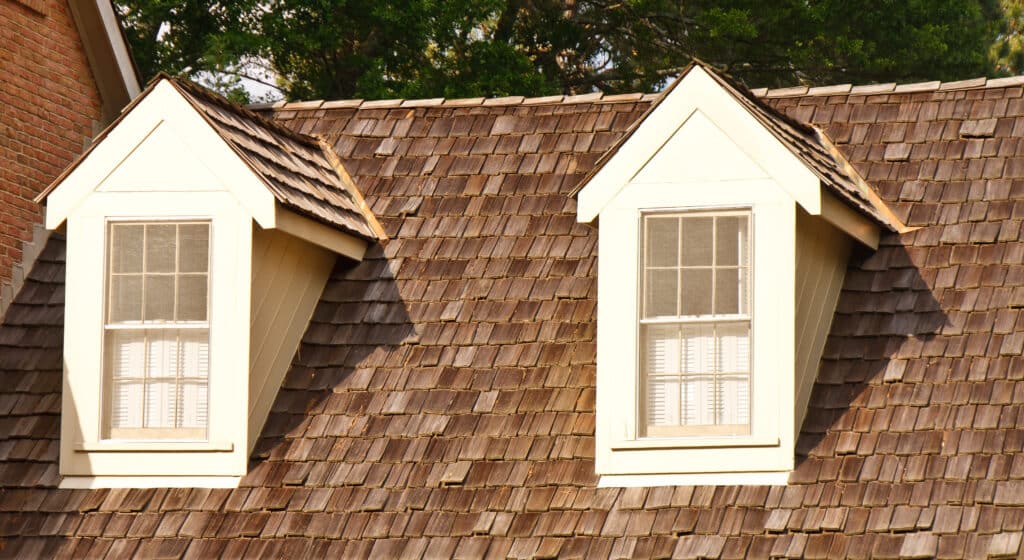
5 Benefits of Cedar Shake Roofing

When you are choosing a new roof, there is a lot to think about. You want something that protects your home, holds up to the weather, and fits your budget. But you probably want it to look good, too. If the standard look of asphalt shingles is not quite what you had in mind, cedar shake roofing may be worth a closer look. With its natural texture and warm appearance, cedar shake can give your home a unique look while providing several practical benefits.

5 Benefits of Cedar Shake Roofing

What is Cedar Shake Roofing?

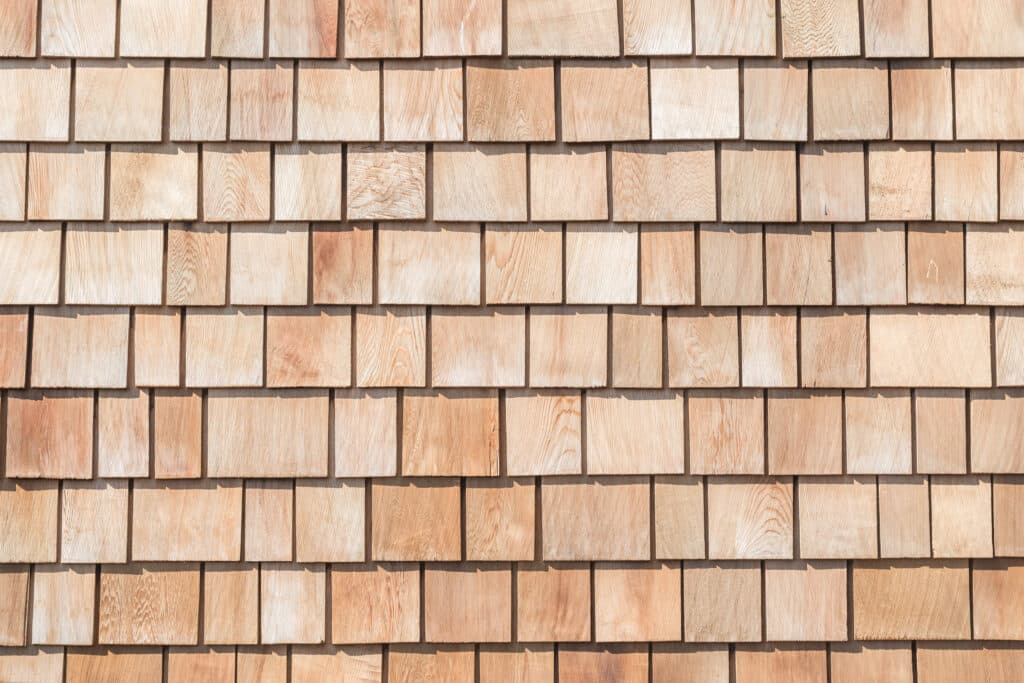
Cedar shakes are roofing materials made from natural wood. They have a thicker, more textured appearance than traditional wood shingles, and because they are made from natural cedar, each piece has its own variations in grain, color, and texture.

That natural look is a big part of the appeal, but there are several other reasons homeowners choose cedar shake roofing.

Best Benefits of Cedar Shake Roofing

1. Cedar Shake Roofing Looks Great

Let's start with the obvious: cedar shake roofing has a distinctive appearance. The natural wood adds warmth and character to a home and can make the entire property feel a little more inviting.

Cedar shakes can work particularly well with traditional, rustic, craftsman, and other architectural styles. Instead of having a roof that blends into the background, you get a material with natural texture and variation that can become part of your home's overall design.

Cedar can also change in appearance as it ages, which makes it develop a weathered look that many homeowners find appealing.

2. Cedar Shakes Are Built to Last

Of course, a roof cannot just look good. It has a big job to do, and cedar shake roofing can offer impressive durability when it is installed and maintained properly.

Cedar is naturally strong and can handle changing weather conditions. Like any roofing material, though, it is not something you can install and completely forget about. Regular inspections and maintenance can go a long way toward keeping the roof in good shape.

Taking care of small problems when they appear can also help prevent them from turning into bigger, more expensive issues later.

3. Cedar Has Natural Insulating Properties

Another nice thing about cedar is that wood naturally has insulating properties. While your roofing material is only one part of your home's overall energy performance, cedar can contribute to the way your roof handles changes in temperature.

That does not mean a cedar roof alone will dramatically change your energy bills. Your home's insulation, ventilation, windows, and HVAC system all play a role, too. Still, if you like the idea of choosing a natural material that offers some insulating benefits, cedar shake has something to offer.

4. It Can Be a Long-Term Investment

A new roof is a big decision, so it makes sense to think about more than what the material costs upfront. Cedar shake roofing can provide long-term value when it is properly installed and cared for.

Maintenance is an important part of that equation. Natural wood needs attention to stay in good condition, and catching damage early can help protect your investment. With the right care, cedar shakes can provide your home with years of protection while continuing to add to its appearance.

For homeowners who are willing to stay on top of maintenance, that combination can make cedar shake a worthwhile investment.

5. Your Roof Will Have Its Own Personality

One of the things that makes cedar shake different from many manufactured roofing materials is that it does not have a perfectly uniform appearance. And that is part of the charm.

Natural cedar has variations in color, grain, and texture, so your roof will have a look that is uniquely its own. As the material weathers over time, those natural characteristics can become even more noticeable.

If you want your home to have a little more personality and do not want a roof that looks exactly like every other house on the street, cedar shake can be a great way to get that.

5 Benefits of Cedar Shake Roofing

Is Cedar Shake Roofing Right for Your Home?

Cedar shake certainly has some appealing qualities, but it is not automatically the right choice for every homeowner. Your home's style, budget, maintenance expectations, and preferences should all factor into the decision.

That is where talking with an experienced roofing contractor can help. A professional can take a look at your home, discuss what you want from a new roof, and help you determine whether cedar shake makes sense for your project.

Explore Cedar Shake Roofing With On Top Roofing

If you like the natural look of cedar and are thinking about using it for your home, On Top Roofing can help you explore your options. From choosing the right material to making sure it is properly installed, having an experienced roofing team on your side can make the process much easier.

Ready to see if cedar shake roofing is a good fit for your home? Contact On Top Roofing today to discuss your roofing project and learn more about your options.

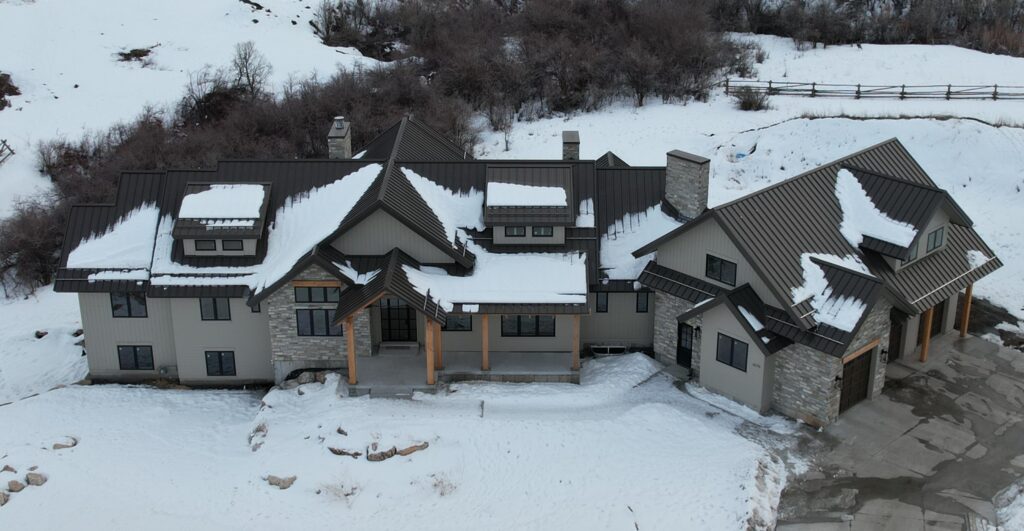
How Metal Roofing Performs During Winter Weather

Winter can put a lot of stress on a roofing system. Heavy snow, freezing temperatures, ice, wind, and repeated freeze-thaw cycles can all create potential problems for homeowners. For Utah and Idaho homes, choosing a roofing material that can handle these conditions is especially important. On Top Roofing installs standing seam and sheet metal roofing designed to provide lasting performance in Utah’s unpredictable climate.

How Metal Roofing Performs During Winter Weather

Metal Roofing Can Handle Heavy Snow

One of the biggest concerns during winter is the weight of accumulated snow. As snow builds up, it can place additional stress on the roof and create problems if the roofing system is already damaged or aging.

Metal roofing is built to withstand significant weather exposure, including heavy snow. On Top Roofing’s sheet metal roofing is designed to handle the area’s extreme weather conditions without cracking, shrinking, or splitting. Metal panels also do not absorb moisture, which can be particularly beneficial during a season when snow and ice repeatedly cover the roof.

Of course, the strength of a roofing system also depends on proper installation and the structure underneath it. A professional roofing contractor can evaluate the roof and make sure the appropriate materials and installation methods are used.

How Metal Roofing Handles Freezing Temperatures

Winters can bring significant temperature swings. A roof may be exposed to freezing temperatures overnight and warmer conditions during the day, creating repeated freeze-thaw cycles.

These changes can be hard on some roofing materials over time. Metal roofing offers durability in these conditions and is designed to resist cracking, shrinking, and splitting. Modern metal roofing can also include protective coatings that help resist rust and corrosion, extending the life of the roofing system through changing weather conditions.

What About Ice Dams?

While metal roofing performs well in winter, it does not automatically prevent every winter roofing problem. Ice dams can develop when snow melts on warmer portions of the roof and then refreezes along colder roof edges. The resulting ice can interfere with drainage and potentially contribute to leaks or damage.

Proper attic insulation and ventilation can help manage temperature differences across the roof. Keeping gutters and drainage areas clear is also important. For homes that are especially vulnerable to ice dams, heat cables can provide another preventative option.

On Top Roofing installs heat cable systems along roof edges to help melt ice and snow and create a path for water to drain. This can help reduce ice buildup and protect vulnerable areas during winter weather.

Protection From Winter Wind and Storms

Snow is not the only challenge a roof faces during winter. Strong winds can accompany winter storms and put additional stress on roofing materials.

Metal roofing is designed for durability and weather resistance, making it well suited for areas that experience high winds and changing weather. Our metal roofing provides protection against Utah’s snow, rain, and wind. Proper fastening and professional installation are important to ensure the roofing system performs as intended when severe weather arrives.

Does Metal Roofing Help With Winter Energy Efficiency?

A roof is only one part of a home's energy performance, but the overall roofing system can play a role in maintaining comfortable indoor temperatures. Metal roofing itself should not be viewed as a replacement for proper insulation or attic ventilation. Instead, it works as part of a properly designed roofing system.

Energy efficiency is one of the benefits of sheet metal roofing. When combined with appropriate insulation, underlayment, and ventilation, a metal roof can contribute to a well-performing home throughout the year.

How Metal Roofing Performs During Winter Weather

Winter Maintenance Still Matters

One advantage of metal roofing is that it requires relatively little maintenance compared with some other roofing materials. However, low maintenance does not mean no maintenance.

On Top Roofing recommends inspections once or twice a year, along with occasional debris removal from valleys and gutters. Before winter arrives, homeowners should address visible damage, drainage problems, loose components, or other roofing concerns. After a major storm, it is also a good idea to have the roof inspected if you suspect damage rather than attempting to walk on a snowy or icy roof yourself.

Choose On Top Roofing for Winter-Ready Protection

Metal roofing can be an excellent option for homeowners looking for a durable roofing system that can stand up to Utah and Idaho winters. Its resistance to snow, moisture, wind, and temperature changes makes it well suited to the demands of the season, while proper installation and maintenance help maximize its performance.

On Top Roofing specializes in metal roofing and other roofing services throughout Utah and Idaho. If you are considering replacing an aging roof or want to learn whether metal roofing is right for your home, contact On Top Roofing to schedule a free estimate and discuss your options.

How to Prepare Your Roof for Winter Weather

Winter weather can be tough on your home, and your roof takes the brunt of it. Snow, ice, freezing temperatures, and strong winds can put stress on roofing materials and expose problems that may have gone unnoticed during warmer months. Winter weather can quickly turn a small leak into a much bigger problem.

Taking time to prepare your roof before winter weather arrives can help protect your home and give you greater peace of mind throughout the season. Here are some important steps homeowners can take to get their roofs ready for winter weather.

How to Prepare Your Roof for Winter Weather

Why Winter Roof Preparation Matters

Your roof is designed to protect your home from the elements, but even a well-maintained roof can develop problems over time. Existing damage can become more serious when exposed to snow, ice, freezing temperatures, and winter storms.

Preparing your roof gives you an opportunity to find and address potential problems before they lead to leaks or interior damage. Professional roof inspections can also identify issues that may be difficult to spot from the ground.

Inspect Your Roof for Damaged or Missing Shingles

Shingles are one of the most important parts of your roofing system, so they should be inspected before winter weather arrives. Look for missing, cracked, curled, loose, or visibly damaged shingles.

Damaged shingles can allow water to reach the materials underneath your roof. When temperatures drop below freezing, moisture can create additional problems as it freezes and expands.

If you notice damaged shingles, have them evaluated by a professional roofer. Taking care of repairs before winter can help prevent minor damage from becoming a more expensive roofing problem.

Check Flashing and Roof Penetrations

Flashing helps protect areas where your roof meets features such as chimneys, vents, skylights, and other openings. If flashing is loose, cracked, or damaged, water may find its way into your home.

Before winter arrives, have these areas inspected for signs of deterioration. A professional can determine whether flashing needs to be repaired or replaced. Because roof penetrations are common areas for leaks to develop, paying attention to them can be an important part of preparing your roof for winter weather.

Clean and Inspect Your Gutters

Your gutters play an important role in directing water away from your roof and foundation. Leaves, branches, and other debris can prevent water from draining properly. Clean your gutters before winter and check your downspouts to make sure water can flow freely. Proper drainage becomes especially important when snow and ice begin melting.

If gutters are clogged or drainage is poor, melting snow can contribute to water buildup around the roof. Keeping your gutters clear is a simple maintenance step that can help protect your roofing system.

Look for Signs of Roof Leaks

A roof leak isn't always obvious from outside your home. Before winter, look around your attic and upper levels for signs that moisture may already be getting through your roof. Common warning signs include water stains on ceilings or walls, damp areas, peeling paint, and musty odors. You may also notice moisture around chimneys, vents, or other roof penetrations.

If you notice any of these signs, don't wait for the next winter storm to address them. A professional roofing inspection can help determine where the moisture is coming from and what repairs may be needed.

Check Your Attic and Insulation

Your attic can provide valuable information about the condition of your roof. Look for signs of moisture, water damage, or inadequate insulation. Proper insulation and ventilation can help regulate temperatures in the attic and reduce moisture concerns. When attic conditions are not properly managed, problems such as condensation can develop.

If you're unsure whether your attic has adequate insulation or ventilation, a roofing professional can evaluate the space and recommend appropriate solutions.

How to Prepare Your Roof for Winter Weather

Schedule a Professional Roof Inspection

While homeowners can look for obvious signs of damage, some roofing problems aren't easy to identify without professional experience. Scheduling a roof inspection before winter can help uncover issues before they become emergencies.

A professional roofer can examine shingles, flashing, roof penetrations, and other components of the roofing system. They can also help determine whether your roof needs minor repairs, more extensive work, or replacement.

Getting an inspection before winter gives you more time to address problems while weather conditions are still favorable for roofing work.

What If Your Roof Needs Repairs or Replacement?

Not every roofing issue means you need an entirely new roof. In some cases, replacing damaged shingles, repairing flashing, or addressing a leak may be enough to prepare your roof for winter.

However, an older roof with extensive damage may need to be replaced. Continuing to postpone necessary repairs can leave your home more vulnerable when winter storms arrive.

Prepare Your Roof With On Top Roofing Before Winter Arrives

Preparing your roof for winter weather doesn't have to be complicated. Inspecting your shingles, checking flashing, cleaning gutters, looking for leaks, and evaluating your attic can all help you get ahead of potential problems.

If you're concerned about the condition of your roof, On Top Roofing can help. Contact us at On Top Roofing to schedule a professional roof inspection and learn more about the repairs or roofing services your home may need before winter arrives.

How Heat Cables Help Prevent Ice Dams

Winter weather can turn your roof into a battleground between melting snow and freezing temperatures. When that cycle repeats, ice can build up along the edge of your roof and create ice dams, potentially leading to leaks and costly water damage. Roof heat cables can help prevent this problem by keeping vulnerable areas warm enough for melting snow and water to drain properly. 

In this guide, we'll explain how heat cables work, where they're used, and why proper roof preparation matters. If you're concerned about ice dams or winter roof damage, On Top Roofing can help evaluate your roof and recommend solutions to help protect your home.

How Heat Cables Help Prevent Ice Dams

What is an Ice Dam?

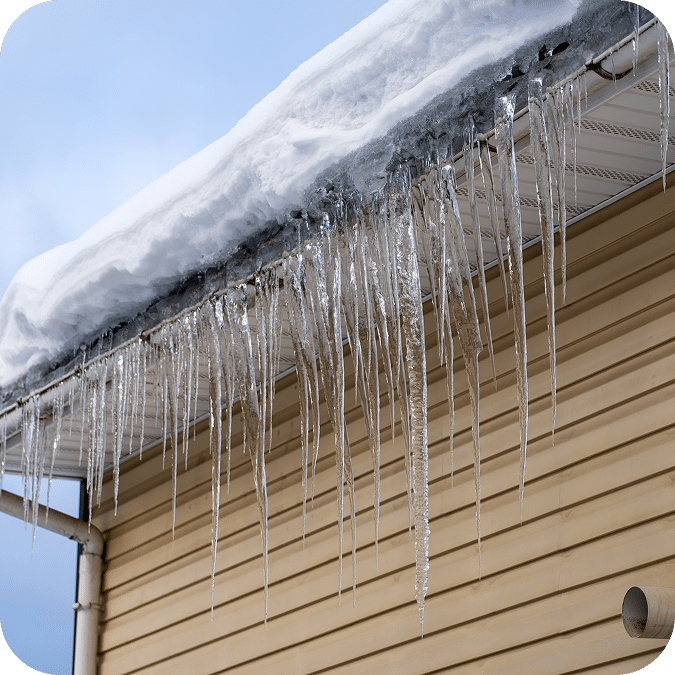
An ice dam is a buildup of ice that forms along the lower edge of a roof. It typically develops when heat from inside the home escapes into the attic and warms portions of the roof. Snow sitting on the warmer section of the roof begins to melt, causing water to flow toward the colder edges.

When that water reaches the colder portion of the roof, it can freeze. Over time, additional snowmelt can collect behind the ice and create a larger dam.

Ice dams are more than just a winter inconvenience. The trapped water may eventually find its way beneath shingles and into the roofing system, which creates the potential for leaks and water damage.

Why Are Ice Dams a Problem?

The biggest concern with ice dams is the water that becomes trapped behind them. Instead of flowing naturally into the gutters and away from the home, melting snow can back up against the roof.

This can potentially lead to:

Even if an ice dam does not immediately cause a visible leak, repeated freezing and thawing can put additional stress on your roof. Preventing significant ice buildup can help reduce the risk of these problems.

What Are Roof Heat Cables?

Roof heat cables, sometimes called heat tape, are electrical cables designed to provide controlled heat along areas of a roof that are vulnerable to ice buildup. They are commonly installed along roof edges, eaves, gutters, and downspouts.

The goal isn't to melt all the snow covering your roof. Instead, heat cables create open channels through areas where ice is likely to form. These channels give melting snow and water a path to drain away from the roof.

Because heat cables are installed in specific areas, proper placement is important. A roofing professional can determine where cables may be most useful based on the design and problem areas of your roof.

How Do Heat Cables Help Prevent Ice Dams?

Heat cables work by warming targeted sections of the roof and preventing water from freezing in those areas. As snow melts higher on the roof, the resulting water can travel toward the heated areas.

Without an open drainage path, that water can freeze near the roof edge and contribute to an ice dam. Heat cables help maintain a channel where water can continue moving toward the gutters and downspouts. This can be particularly useful around roof edges and gutters, where freezing temperatures often cause water to accumulate and turn into ice.

However, heat cables are a preventative tool rather than a complete solution for every ice dam problem. If your home experiences recurring ice dams, it's important to look at the overall condition of the roof and attic as well.

Where Should Heat Cables Be Installed?

Heat cables are generally installed in areas where ice buildup is most likely to interfere with drainage. Depending on the roof, this may include the lower edges of the roof, eaves, gutters, and downspouts.

Some roofs may also have vulnerable areas around valleys or sections where snow and water tend to collect. The appropriate placement depends on the design of the roof and the areas where ice dams have occurred in the past.

Professional installation can help ensure the cables are positioned properly and securely. Incorrect installation may reduce their effectiveness or potentially damage roofing materials.

How Heat Cables Help Prevent Ice Dams

Are Heat Cables Enough to Prevent Ice Dams?

While heat cables can be helpful, they shouldn't necessarily be the only strategy for preventing ice dams. A home's attic insulation and ventilation can also affect how much heat reaches the roof.

Keeping gutters and downspouts clear is another important step. If these areas are already clogged with leaves or debris, melting snow may have difficulty draining properly.

Homeowners should also address damaged shingles, flashing problems, or roof leaks before winter. If ice dams happen repeatedly, a professional roof inspection can help identify conditions that may be contributing to the problem.

When Should You Install Roof Heat Cables?

It's best to plan for winter before heavy snow and ice arrive. Installing heat cables ahead of time allows homeowners to have vulnerable areas prepared before freezing conditions make roofing work more difficult.

If you've experienced ice dams in previous winters, consider having your roof evaluated before the next major snowstorm. A professional can help determine whether heat cables or other preventative measures may be appropriate for your home.

Protect Your Roof From Ice Dams With On Top Roofing

If you're dealing with recurring ice dams or want to prepare your roof for winter, On Top Roofing can help you evaluate your roofing system and identify potential problem areas. Contact us at On Top Roofing to learn more about protecting your roof from winter weather and ice dam damage.

Year-Round Roof Maintenance Tips for Every Season

Your roof works hard every day to protect your home from the elements. That's why regular roof maintenance is so important. Taking care of small issues throughout the year can help prevent expensive repairs, extend the life of your roof, and give you peace of mind.

Each season presents different challenges, so knowing what to look for can help you keep your roof in excellent condition. Here are some practical roof maintenance tips for every season.

Year-Round Roof Maintenance Tips for Every Season

Why Seasonal Roof Maintenance Matters

Routine roof maintenance is one of the easiest ways to protect your investment. Small problems like a loose shingle or clogged gutter may seem minor, but if they're left unaddressed, they can lead to leaks, water damage, mold growth, or structural issues.

By inspecting your roof throughout the year, you can:

While homeowners can perform basic visual inspections, professional roof inspections provide a more thorough evaluation and can identify issues that aren't always visible from the ground.

Spring: Inspect for Winter Damage

Winter weather can be tough on roofing materials. Snow, ice, freezing temperatures, and high winds may leave behind damage that isn't immediately noticeable.

As the weather warms, take time to inspect your roof for missing or damaged shingles, loose flashing, and debris that may have accumulated over the winter. It's also a good idea to check your attic and ceilings for water stains or other signs of leaks.

Spring is also the perfect time to clean gutters and downspouts. Removing leaves, twigs, and other debris allows rainwater to drain properly and helps prevent water from backing up onto the roof.

Addressing any issues early in the season can help prepare your roof for spring and summer storms.

Summer: Prepare for Heat and UV Exposure

Although summer often brings pleasant weather, prolonged heat and ultraviolet (UV) rays can gradually wear down roofing materials. High temperatures may cause shingles to expand and contract, increasing normal wear over time.

During the summer, inspect your roof for cracked, curling, or damaged shingles. Trim any tree branches hanging over your roof to reduce the risk of falling limbs and minimize debris accumulation.

It's also important to check your attic ventilation. Proper airflow helps reduce heat buildup, which can improve energy efficiency while helping protect roofing materials from excessive temperatures.

Fall: Get Ready for Cooler Weather

Fall is one of the best times to prepare your roof for winter. Taking care of maintenance before temperatures drop can help reduce the likelihood of cold-weather roofing problems.

Before winter arrives, be sure to:

Completing these tasks during the fall can help ensure your roof is ready for rain, snow, and freezing temperatures.

Winter: Monitor Your Roof Safely

Winter presents unique challenges, but safety should always come first. Avoid climbing onto a roof covered with snow or ice. Instead, inspect it from the ground whenever possible.

Watch for warning signs such as excessive ice buildup along the roof edge, sagging areas, damaged gutters, or water stains inside your home. Ice dams can also develop when melting snow refreezes near the roof's edge, preventing proper drainage.

If you notice signs of damage or suspect your roof has developed a leak, contact a professional roofing contractor as soon as possible. Prompt repairs can help prevent additional damage throughout the winter season.

Year-Round Roof Maintenance Tips for Every Season

Roof Maintenance Tips for Every Season

Some maintenance practices should be part of your routine no matter what time of year it is.

These include keeping gutters clean, removing debris after major storms, trimming nearby tree branches, and checking ceilings or attic spaces for signs of water intrusion. It's also a good idea to perform occasional visual inspections from the ground, especially after severe weather.

Know When It's Time to Call a Professional

While homeowners can safely perform basic visual inspections, many roofing issues require professional expertise. Missing shingles, recurring leaks, storm damage, sagging roof sections, or excessive granules collecting in gutters are all signs that your roof should be evaluated by an experienced contractor.

Attempting to repair roofing problems without the proper training can be dangerous and may result in additional damage. A qualified roofing professional has the knowledge, equipment, and experience to accurately identify problems and recommend the appropriate solution.

Protect Your Roof With On Top Roofing

At On Top Roofing, we're committed to helping homeowners maintain safe, dependable roofing systems. Whether you need a professional roof inspection, roof repairs, or a complete roof replacement, our experienced team delivers quality workmanship and reliable service you can trust.

Contact On Top Roofing today to schedule a roof inspection or maintenance appointment and keep your roof performing its best through every season.